The Green Economy Impact: Why Sustainable Tourism is Booming in Upstate New York
Albany and the Capital Region are reshaping upstate travel with farm-to-table trails, renewable energy tours and eco-certified stays that let you explore responsibly without sacrificing comfort.
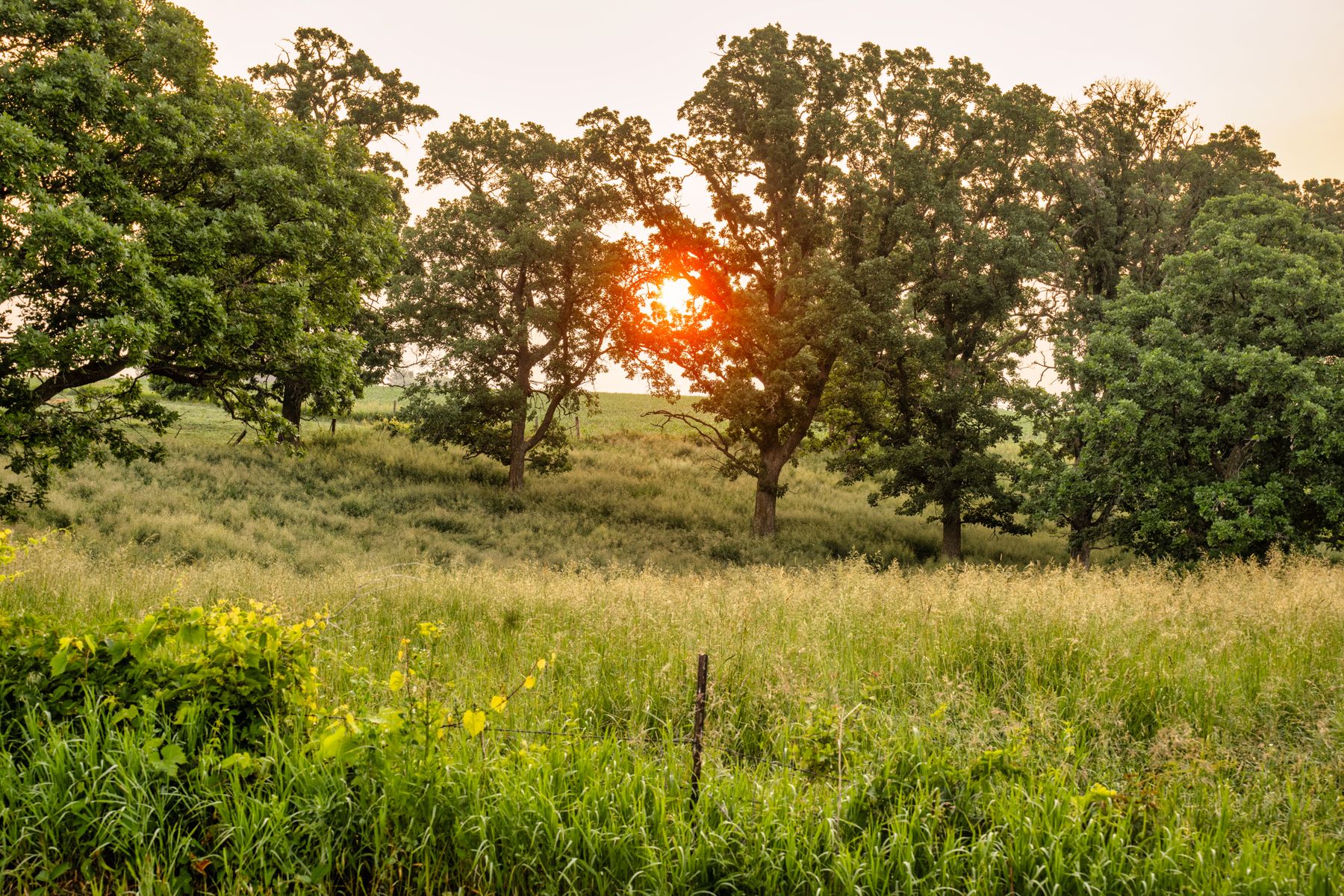
Farm-to-Table Dining Anchors Albany's Sustainable Tourism Scene
Albany's restaurant corridor along Lark Street and downtown's Pearl Street has become a magnet for travellers who care where their dinner comes from. New World Bistro Bar sources vegetables from Schoharie Valley farms twenty miles west, while The Hollow Bar + Kitchen on Delaware Avenue prints its supplier list on every menu—beef from Battenkill Valley, cheese from Old Chatham Creamery in Columbia County, greens from urban plots in Arbor Hill. When you book a hotel near Washington Park, you're fifteen minutes' walk from a dozen restaurants that refuse to stock industrial tomatoes or feedlot pork. The Capital Region's short growing season—last frost in mid-May, first frost in early October—makes chefs obsessive about preserving summer harvests, so even a February visit yields pickled ramps, fermented beets and frozen berries that taste like July.
The Albany Farmers Market at SUNY Plaza runs Sundays from May through November, and vendors drive in from Helderberg Escarpment orchards, Rensselaer County dairies and Saratoga hops farms. Staying downtown means you can load a cooler with grass-fed steak, artisan bread and honey before heading to the Adirondacks or Berkshires. If you arrive mid-week, the Troy Waterfront Farmers Market operates Saturdays year-round under the Uncle Sam Atrium, a thirty-minute drive north via Route 787. Both markets let you meet the people who grew your breakfast, and many sell prepared foods—empanadas, samosas, wood-fired pizza—so you can skip the hotel breakfast buffet and eat something with a story.
Wine tourism here runs on sustainability credentials. Brookview Station Winery in Castleton-on-Hudson, twelve miles south of Albany, converted to solar power in 2019 and uses gravity-fed fermentation tanks to cut electricity use. Their Riesling and Vidal Blanc grapes grow on south-facing slopes above the Hudson, and tastings include a walk through the vineyard to see cover crops that prevent erosion and nourish the soil. Indian Ladder Farms in Altamont, twenty miles west, offers cider tastings, a brewery and pick-your-own apples on 200 acres that have been farmed since 1848, now managed with integrated pest control and no synthetic fertilizers. Book a hotel with free parking and you can visit three or four farms in a day, buying wine, cider and preserves directly from producers who've eliminated the distributor markup.
Renewable Energy Tours Turn Infrastructure into Attractions
The Capital Region's push toward wind and solar has created an unexpected tourist draw: guided tours of working renewable installations. The Albany Pine Bush Preserve, a 3,350-acre protected inland sand dune ecosystem straddling Route 155 west of the city, installed a solar array in 2020 that powers its Discovery Center and trail network. Rangers lead free walks explaining how the panels coexist with the endangered Karner blue butterfly habitat—the array sits on already-disturbed land, and native wildflowers planted beneath the panels provide nectar. You can hike seven miles of trails, then stop at the visitor center to see real-time data on energy production and carbon offset. The preserve is fifteen minutes from downtown Albany hotels; visit on a weekday morning to avoid school groups.
Forty-five minutes north in Mechanicville, the Viridis Chemical solar farm covers forty acres with 15,000 panels generating power for the regional grid. It's not open for casual visitors, but Hudson River Cruises in Albany now offers a two-hour 'Energy Transition Cruise' that sails past the Viridis site, the decommissioned coal plant at Glenmont and the new battery storage facility in Bethlehem, with narration explaining how the grid is shifting from fossil fuels to renewables. The cruise departs from Corning Preserve downtown, so you can walk from most Albany hotels. Departures run Saturday afternoons from June through September; tickets run about thirty-five dollars, and the boat bar serves Chatham Brewing beer and Nine Pin Cider, both made within twenty miles.
For a deeper dive, the New York State Energy Research and Development Authority operates a small exhibit at the State Museum on Madison Avenue, free with museum admission. Interactive displays compare the carbon footprint of different travel modes—flying versus driving versus train—and a kids' section lets you design a net-zero building. It's dry material made tangible, and if you're staying in Albany to launch trips around the region, the exhibit helps you understand why so many businesses here trumpet their green credentials. The museum also covers the Erie Canal's role in nineteenth-century commerce and the Adirondack Park's creation, both relevant to understanding how upstate New York thinks about land use.
Eco-Certified Hotels and What the Labels Actually Mean
Albany's lodging market includes several properties with third-party environmental certifications, though the terminology gets murky. A hotel calling itself 'green' might mean anything from LED bulbs to LEED Platinum construction. The Desmond Hotel Albany in Colonie, just off Interstate 87 exit 2, earned Green Key Global certification for waste reduction, linen-reuse programs and low-flow fixtures. It's a full-service property with 324 rooms, an indoor pool and free parking, positioned for travellers who want amenities without downtown prices. The certification requires annual audits, so it's more credible than a vague sustainability statement on a website. Room rates hover around one hundred twenty to one hundred fifty dollars midweek in spring and fall, higher during summer graduation season and state legislative sessions.
Downtown, smaller boutique properties tend toward energy efficiency retrofits rather than certification programs. The Morgan State House on State Street occupies an 1888 building updated with high-efficiency HVAC, double-pane windows and a green roof that reduces stormwater runoff. Its location puts you within walking distance of the Capitol, Empire State Plaza and the Palace Theatre, eliminating car trips for evening plans. If you value location over pools and breakfast buffets, this style of adaptive reuse—preserving historic buildings rather than demolishing them—represents a different shade of sustainability. Parking downtown costs fifteen to twenty dollars per night in nearby garages, so factor that in if you're driving.
For a contrast, consider staying in Troy, where the Franklin Plaza Ballroom Apartments offer short-term rentals in a renovated 1920s building with original terrazzo floors, Energy Star appliances and a location two blocks from the farmers market. Troy sits on the east bank of the Hudson, connected to Albany by Route 787 or the Amtrak station—both cities share the Albany-Rensselaer stop. Troy's restaurant scene rivals Albany's, with Peck's Arcade, The Shop and Lucas Confectionery all emphasizing local ingredients, and the downtown is more walkable. You'll pay similar rates to Albany, often with full kitchens that let you cook farmers market hauls and avoid restaurant waste.
Cycling and Paddling Routes That Skip the Carbon Burn
The Mohawk-Hudson Bike-Hike Trail runs 97 miles from Albany to Rotterdam, hugging the river and canal towpaths. The Albany-to-Cohoes segment, roughly twelve miles north, is paved and flat, passing through Watervliet and Waterford with views of the Federal Dam and the confluence of the Mohawk and Hudson rivers. Rent a bike downtown from Steiner Sports or bring your own—many Albany hotels offer bike storage rooms. Pack a lunch from Honest Weight Food Co-op on Watervliet Avenue, a member-owned grocery stocking bulk goods, local produce and prepared foods with minimal packaging. Riding eliminates parking headaches at trailheads and burns zero fossil fuels, and the trail connects to longer routes if you want to reach Saratoga Springs or Schenectady.
Kayaking the Hudson in the Capital Region requires understanding tides and barge traffic—this is a working river, not a pastoral creek. The Corning Preserve boat launch in Albany provides free access for car-top boats, and outgoing tides carry you south past the Port of Albany's cargo cranes and the Kenwood neighborhood's wooded bluffs. The return paddle fights the current, so plan for twice the downstream time. Hudson River Kayak Tours runs guided trips from May through October, providing boats, PFDs and instruction for beginners; a three-hour tour costs around sixty dollars. Their guides discuss river ecology, stormwater management and the decades-long cleanup effort that has brought striped bass and sturgeon back to waters once choked with industrial waste. It's an object lesson in environmental recovery, narrated from a boat that needs no fuel.
For stillwater paddling, Tomhannock Reservoir straddling the Albany-Rensselaer county line fifteen miles northeast offers a quiet alternative with no motorboats allowed. The reservoir supplies drinking water, so swimming and wading are banned, but paddling is permitted from ice-out in April through late October. Hemlocks and oaks fringe the shoreline, and you'll see ospreys, herons and painted turtles. The reservoir has two access points, both with gravel parking but no amenities—bring your own boat and drinking water. It's a thirty-minute drive from Albany hotels, worth it for silence you won't find on the Hudson.
Seasonal Timing and What Green Tourism Looks Like in Winter
Peak green-tourism season in the Capital Region runs May through October, when farms open their gates, trails dry out and outdoor dining tables fill Pearl and Lark streets. June brings strawberry picking at Bowman Orchards in Rexford and the Troy River Fest, a street fair emphasizing zero-waste vendors and bike parking. July means peak farmers market variety—berries, greens, squash blossoms—and August delivers corn, tomatoes and peaches that define upstate summer. September attracts the most visitors: apple harvest, Helderberg Workshop open studio tours, comfortable hiking temperatures and foliage beginning to turn in the Adirondacks an hour north. Book Albany hotels well ahead for September weekends; rates climb and availability shrinks.
October extends the season with pumpkin patches, cider pressing and the best leaf color at Thacher Park's clifftop overlook twenty-five miles west. The park's Indian Ladder Trail descends 200 feet through limestone outcrops past waterfalls and caves; it closes in winter when ice makes the metal stairs deadly. November through March represents the off-season for agritourism, but winter doesn't erase sustainability angles—it just shifts them. Cross-country skiing at Grafton Lakes State Park or Lapland Lake near Northville uses groomed trails through state forest, and snowshoeing the Pine Bush Preserve requires no chairlifts or energy-intensive snowmaking. The Albany Visitors Center on Broadway keeps a list of winter farmers markets—Troy's indoor market, the Schenectady Greenmarket, Delmar's weekend market—where root vegetables, frozen meats and greenhouse greens sustain the farm connection year-round.
Winter is also when Albany hotel rates drop noticeably outside legislative session weeks in January and February. A room that costs one hundred sixty dollars in September might fall to ninety dollars in December, freeing budget for restaurant meals and day trips. The State Museum and New York State Library stay open, as do downtown coffee shops like The Roasting House and Stacks Espresso Bar, both using compostable cups and supporting local roasters. If you're visiting to explore the region rather than lounge poolside, winter offers cheaper lodging, no crowds on trails and a chance to see how a place functions when tourists vanish—restaurants and farms that survive the slow months tend to be the ones rooted in local support, not fleeting travel trends.
Why This Matters When You Book Your Room
Choosing Albany as a base for exploring upstate New York's green economy shift means staying where the infrastructure supports low-impact travel. The city's Amtrak station connects to New York City in two and a half hours, Montreal in under five, eliminating rental car needs for rail-accessible destinations like Hudson, Rhinebeck or Saratoga Springs. CDTA buses serve Albany, Troy, Schenectia and surrounding towns with frequent routes and real-time tracking apps; a day pass costs five dollars. Several hotels include free CDTA passes for guests, turning urban errands and restaurant runs into zero-emission trips. Parking downtown costs enough—fifteen to twenty-five dollars daily—that leaving your car at the hotel and using transit or bikes often saves money and stress.
The farm and winery visits described here cluster within a forty-minute drive of Albany, meaning you can base yourself in one hotel all week and radiate outward for day trips rather than packing and unpacking in multiple towns. This reduces travel waste—fewer checkout toiletries discarded, less linen washing, lower fuel consumption—and gives you time to learn a neighborhood instead of racing through it. Stay near Washington Park and you're walking distance to coffee, groceries, restaurants and the park's 90 acres of paths and ponds. Stay near the airport in Colonie and you're positioned for quick highway access to the Adirondacks, Catskills or Berkshires. Either choice supports a travel pattern that spends more time in fewer places, which aligns with the slower, more intentional ethos that defines sustainable tourism.
Finally, supporting businesses that publish their sustainability efforts—farmers markets listing vendor miles traveled, restaurants naming their farms, hotels tracking energy use—encourages others to follow. The Capital Region's green economy won't boom unless travellers reward it with spending. When you book a hotel here and fill your itinerary with farm visits, renewable energy sites, rail trips and local restaurants, you're voting with dollars for a regional economy that values place and permanence over cheap extraction. That won't show up in a hotel review score, but it shapes what the region looks like a decade from now, and whether the landscape you came to see still exists the next time you visit.
Questions, answered
When should I visit Albany for the best farmers market selection?
Late July through September offers peak variety at the Albany and Troy farmers markets, with tomatoes, corn, peaches, berries and greens all available simultaneously. The Albany market runs Sundays at SUNY Plaza May through November, while Troy's market operates Saturdays year-round indoors. Arrive early—vendors sell out of popular items by noon, especially stone fruit and sweet corn in August.
Can I tour renewable energy sites without a car?
The Albany Pine Bush Preserve solar installation is reachable via CDTA bus route 114 from downtown, about a twenty-minute ride plus a short walk. The Hudson River energy cruise departs from Corning Preserve, walkable from most downtown hotels. Other renewable sites require driving, but Albany's compact hotel zone means ride-shares or rentals are only needed for specific day trips, not daily transport.
Which Albany neighborhoods put me closest to green dining and shopping?
Downtown between State Street and Madison Avenue, or the Lark Street corridor south of Washington Park, place you within a fifteen-minute walk of Honest Weight Co-op, New World Bistro Bar, The Hollow and multiple farmers markets. Both areas have hotels, street parking and CDTA bus stops. Center Square and Park South neighborhoods offer similar access with more residential quiet.
Do Albany hotels charge resort fees or parking fees?
Most Albany hotels do not charge resort fees. Parking varies: airport-area and suburban properties typically include free lots, while downtown hotels either lack parking or charge ten to twenty dollars per night. Street parking downtown is metered until 6 PM weekdays and free evenings and weekends, but spots fill quickly near restaurants and the Capitol.
Is it realistic to visit the Capital Region without renting a car?
For Albany, Troy and Saratoga Springs, yes—Amtrak and CDTA buses connect all three, and each city's downtown core is walkable. To reach wineries, farms and trailheads outside urban centers, you'll need a car or ride-share. Many visitors compromise by using transit in cities and renting a car for one or two days dedicated to rural excursions, returning it when back in Albany.
Doing good is the business: every booking through Albany Eco funds one verified tonne of carbon removal — same room, same price, no markup.
Start Your Search