The 48-Hour Car-Free Guide to Albany: Amtrak Access to Green Stays & Downtown
Albany's Amtrak station sits four blocks from the Capitol, making New York's capital a genuinely walkable weekend destination with neighbourhood hotels, riverfront trails and a food scene that spans Pearl Street pubs to Lark Street bistros.
Why Albany Works Without a Car
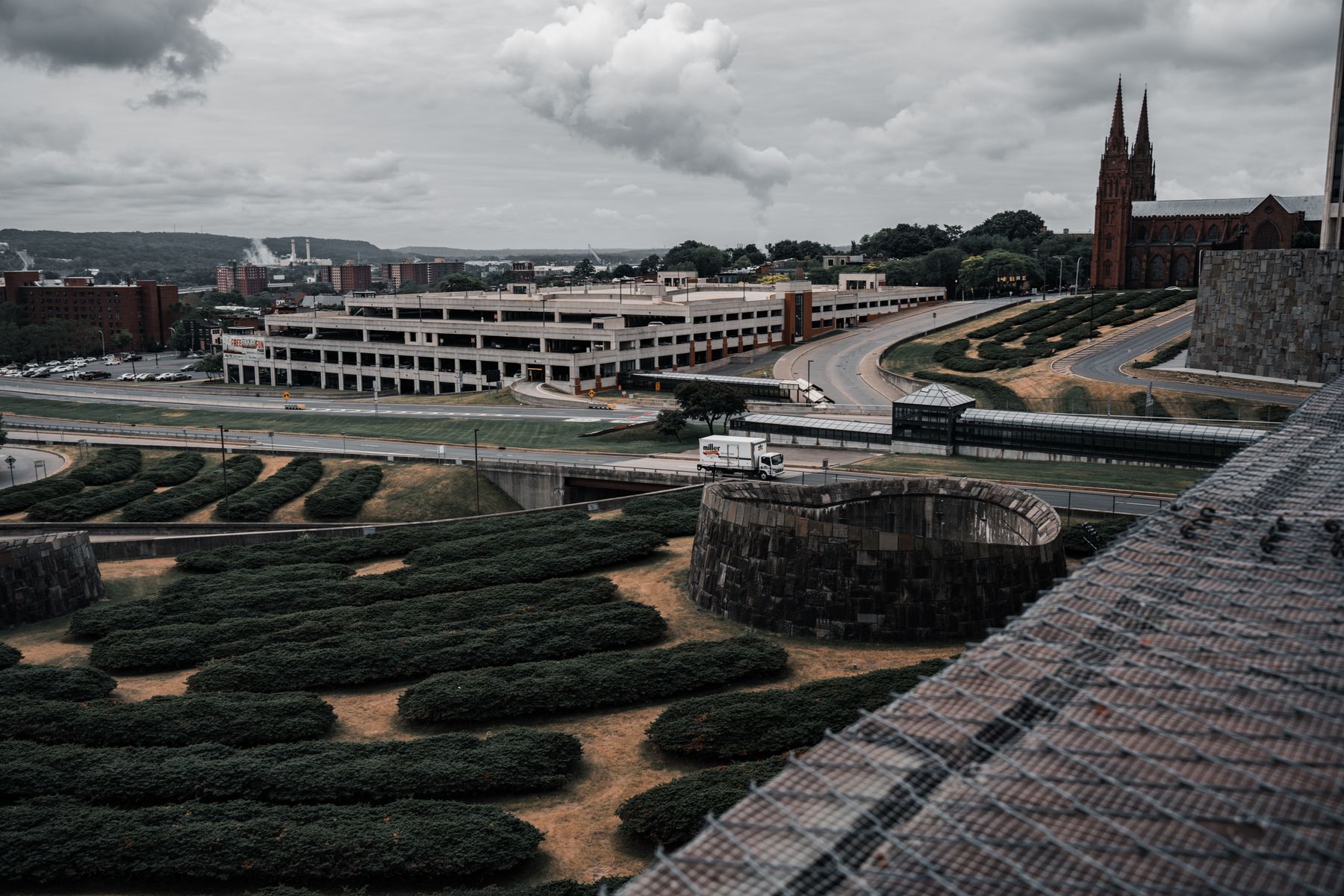
Empire Service trains from New York City pull into Albany-Rensselaer station every ninety minutes, covering the 140 miles in two hours twenty minutes, and the connecting CDTA bus 724 drops you at the downtown transit hub on Broadway within twelve minutes. From that hub you can walk to most hotels in the Center Square and Downtown historic districts in under ten minutes, reaching addresses on State Street, Lodge Street and Dove Street without stepping into a rideshare. The Capitol sits at the west end of State Street, the Empire State Plaza stretches south from there, and Washington Park begins three blocks further west—all connected by sidewalks wide enough that Albany installed them before the Civil War and wide enough that they still handle foot traffic today.
CDTA's local bus grid covers downtown, Arbor Hill, the warehouse district and the southbound route to Delaware Avenue every fifteen to twenty minutes on weekdays, with weekend headways stretching to thirty minutes but still reliable enough to reach brunch spots on Lark Street or evening shows at The Egg without waiting in the cold. A day pass costs three dollars, and drivers sell them onboard, which matters when you arrive on a Sunday and the station kiosk is shut. The real advantage shows up when you compare hotel plus car rental—typically a hundred thirty to a hundred sixty dollars a night for mid-tier chains plus fifty dollars a day for the smallest sedan—against a walkable hotel at a hundred ten to a hundred forty dollars with no fuel or parking surcharges, leaving forty or fifty dollars a day to spend on restaurant meals instead of reheating takeout in your room because you are too tired to drive again.
If you want two wheels instead of two feet, Albany has a bike-share system called CDPHP Cycle, with stations on Lark Street, at the plaza and along the Corning Preserve riverfront path. A day pass runs eight dollars and gives you unlimited ninety-minute rides, long enough to pedal from a State Street hotel down to the Henry Hudson Park boat launch, loop back through Jennings Landing and stop for coffee at a cafe on Broadway. The preserve's paved trail runs three miles along the Hudson without a single traffic light, and the southern end connects to the Mohawk-Hudson bike path that eventually reaches Schenectady if you have the stamina and an extra afternoon.
Where to Book Your Room
Center Square is the neighbourhood that makes car-free Albany possible, bounded by Lark Street to the east, Madison Avenue to the west, Washington Park to the south and State Street to the north. Hotels here occupy converted townhouses or mid-rise buildings from the nineteen-twenties, and you can walk to the park in five minutes or the Capitol in eight. Lark Street runs through the middle of the district, lined with cafes, bookshops and bars that stay open past midnight on weekends, so returning on foot after a show at The Linda or a late dinner at New World Bistro Bar is a two-block stroll rather than a rideshare surge charge. Prices in Center Square fall between a hundred and a hundred thirty dollars midweek and climb to a hundred forty to a hundred seventy Friday and Saturday, higher during October foliage weekends or May graduation ceremonies at the state university uptown.
Downtown proper—the blocks east of Pearl Street and north of Madison—offers chain properties within sight of the Capitol, convenient if your trip involves state offices or the plaza's museums, but the streets empty after six and dining options thin to hotel restaurants or a walk back toward Lark. The Hampton on State Street and the Hilton on Lodge both charge ten to fifteen dollars above Center Square rates for that proximity, and both add twelve-dollar daily facility fees that cover wifi you would get free elsewhere. If you choose one anyway, book a room facing west so you wake to a view of the Capitol dome instead of the highway ramp. The advantages show up on winter weekends when you want to minimize time outside: you can walk to the New York State Museum and the Rockefeller Empire State Plaza without crossing more than one street, spending three hours indoors between art installations, history galleries and the plaza concourse shops before returning to your lobby.
For genuine green credentials, look at the smaller properties that joined city sustainability programmes. The Morgan State House on State Street installed low-flow fixtures, sources breakfast ingredients from regional farms within sixty miles, and eliminated single-use plastic bottles by placing filtered-water taps on every floor. Their rooms run a hundred to a hundred twenty dollars midweek, and the building dates to eighteen-ninety-three, which means thick plaster walls that actually block hallway noise—a feature worth more than the marketing copy admits. Another option is booking an apartment-style room in one of the Lark Street buildings that converted upper floors to short-stay rentals, giving you a kitchenette to brew coffee and store farmers' market produce if you visit on a Saturday and want to skip the hotel breakfast surcharge.
What to Do on Foot in Forty-Eight Hours
Start Saturday morning at the Capitol building itself, which offers free guided tours at ten, noon and two on weekends, and skip the online hype about the million-dollar staircase—yes, the carved stone is impressive, but the Senate chamber's gold-leaf ceiling and the Assembly's stained glass hold your attention longer, and the tour guides know which governors hid budget scandals in which committee rooms. After the hour-long tour, walk south down the Empire State Plaza's long reflecting pool to the New York State Museum at the far end, where admission is free and the September eleventh exhibition and the Adirondack wilderness diorama each deserve forty minutes. The museum cafe serves passable sandwiches, but you will eat better if you exit onto Madison, walk three blocks west to Lark Street and choose between Café Capriccio for northern Italian plates or The Hollow Bar + Kitchen for smoked brisket sandwiches and locally tapped cider.
Saturday afternoon, head to Washington Park's seventy-eight acres, entering at the Willett Street gate if you want the straightest path to the lakefront and the King Memorial Fountain. The park was designed by Calvert Vaux and Frederick Law Olmsted—yes, the same pair who shaped Central Park—and the layout shows in the way carriage paths curve past tulip beds and statue clearings without feeling forced. In May the park hosts the Tulip Festival, when a hundred thousand bulbs bloom and the lawns fill with food vendors and polka bands, but even in July or September the mature elms and oaks create enough shade that you can sit on a bench near the Moses Fountain and read for an hour without overheating. The park's southwest corner has a playground and basketball courts if you are traveling with children, and the Shakespeare Garden tucked behind the lake features only plants mentioned in the plays, which is either charming or overwrought depending on your tolerance for interpretive plaques.
Saturday evening, walk Lark Street from end to end, starting at Madison and moving south toward Lincoln Park. The stretch between Madison and State holds most of the destination restaurants—Yono's for Indonesian-influenced fine dining at thirty to forty-five dollars per entrée, or Savoy Taproom for lamb burgers and duck-fat fries at half that—but the blocks south of State have the neighborhood taverns where you will meet actual residents instead of tourists. The Washington Avenue Armory sits just east of Lark at the intersection with Eagle Street, and its schedule runs to roller derby bouts, indie concerts and craft fairs depending on the month. On any given Saturday evening, three or four venues on Lark will have live music after nine, none charging more than a ten-dollar cover, and most are small enough that you stand ten feet from the band whether you want to or not.
Sunday's Hudson River and Market Loop
Sunday morning, take CDTA bus 13 from the downtown hub south on South Pearl Street to the Corning Preserve stop, or simply walk the fifteen minutes if the weather cooperates—the route is a straight shot down Pearl past the highway underpass and the boat launch. Jennings Landing, at the preserve's north end, has a visitors' pavilion and the start of the riverfront trail, which runs south on smooth pavement past community garden plots and recycled-tire exercise stations that someone installed with good intentions and that almost no one uses. The trail bends inland slightly as it passes the Albany Bulb, a peninsula of fill dirt that now supports wildflower meadows and birdwatching benches, then returns to the water near the USS Slater, a World War Two destroyer escort you can tour for ten dollars if you arrive before it opens at ten and want to be first aboard.
If your Sunday visit falls between late June and early November, route your walk to reach the Albany Barn by mid-morning. This arts nonprofit on Broadway, six blocks inland from the preserve, runs a year-round farmers' market on Sundays from ten to two, though peak produce variety hits in August and September when tomato vendors occupy half the stalls and peach sellers take the rest. Prices undercut supermarket organics—expect three dollars for a pint of berries, five for a pound of greens—and several stalls accept SNAP benefits, which tells you this market serves neighbors, not showpiece customers. The Barn itself is worth a look: studios upstairs house printmakers and jewelers who open their doors during market hours, and the ground-floor gallery rotates exhibitions of regional artists every six weeks, free entry, uneven quality but occasionally a landscape or portrait that justifies the visit.
Sunday lunch works well at the City Beer Hall on Clinton Street, a ten-minute walk north from the Barn, where the menu balances updated German classics like schnitzel and spaetzle with vegetarian grain bowls and the beer list runs to sixty taps, heavy on New York state breweries from the Finger Lakes and the Catskills. Portions are sized for guests who biked in from Troy, so consider splitting a pretzel appetizer and a main unless you skipped breakfast. Alternatively, head back up to Lark Street for New World Bistro Bar, where weekend brunch runs until three and the huevos rancheros come with house-made chorizo and enough coffee refills that you will leave over-caffeinated and ready to walk another three miles before your evening train.
Practical Details and Seasonal Notes
Albany's walkable season runs April through October, with May and September offering the best combination of moderate temperatures—highs in the mid-sixties to low seventies—and low rainfall. July and August top eighty-five degrees often enough that you will want to plan museum visits for midday and save outdoor walks for morning or evening. Winter is feasible if you pack layers: January averages twenty-eight degrees, the city plows sidewalks on main streets within hours of snowfall, and hotel rates drop to eighty or ninety dollars midweek, but Washington Park loses its appeal under three feet of snow and the riverfront trail becomes a wind tunnel. March sees the most unpredictable weather, swinging from fifty-degree sunshine to sleet in the same afternoon, and the Capital District Travel Guide claims this is mud season, which is a polite way of saying the park paths turn to boot-sucking clay.
For groceries or pharmacy needs without a car, the Honest Weight Food Co-op on Watervliet Avenue sits a twenty-minute walk or a short bus ride north of Center Square, stocking organic staples, local dairy and prepared foods you can take back to a hotel room with a microwave. Price Chopper has a downtown location on Clinton Square, closer but with standard supermarket selection and nothing you could not find in any other mid-sized city. If you need a proper bookstore, The Book House on Lark Street and the Last Word on Delaware Avenue both carry regional-interest titles, used paperbacks and enough seating that browsing for an hour will not draw side-eye from the staff.
Albany sees most of its hotel demand from state government meetings, medical visitors to Albany Med, and families attending events at the Times Union Center or the university campus in the western neighborhoods. This means Tuesday through Thursday often have higher occupancy than weekends, and it means you can sometimes find Friday and Saturday availability when New York City is booked solid. Book directly with smaller properties when possible—chain hotels route reservations through national systems that add service fees, while independent places on Lark or State often offer ten percent discounts for calls to the front desk. Confirm your Amtrak schedule before you finalize the hotel: late trains into Albany-Rensselaer do happen, especially in winter, and a midnight arrival with no car means waiting for a cab or paying surge prices, eating into the money you saved by skipping the rental counter.
Why This Trip Rewards the Effort
Albany does not generate the enthusiast blog posts that Burlington or Portland collect, and it will never appear on a top-ten weekend list unless the list is specifically about underrated state capitals, but that absence of hype is part of the value. You can book a Center Square hotel on a September weekend without contending with leaf-peeper crowds, you can get a table at Yono's with a day's notice instead of a month's, and you can walk Washington Park's paths on a Sunday morning and hear birdsong instead of tour-group chatter. The city's size works in a car-free visitor's favor—dense enough to support good restaurants and weekly cultural events, small enough that you will not spend half your day on transit trying to connect neighborhoods.
The environmental argument for skipping the rental car is real but modest: a weekend without driving saves roughly sixty pounds of carbon dioxide compared to a gas sedan covering thirty or forty city miles, and choosing a hotel with green certifications adds another marginal benefit from reduced water heating and waste diversion. The financial argument is stronger and more immediate: reallocating fifty dollars a day from car costs to restaurant and admission budgets turns a budget weekend into a comfortable one, and it removes the stress of navigating unfamiliar parking garages or deciphering residential permit zones. You also avoid the cognitive load of deciding whether each outing justifies moving the car—when everything is a walk or a three-dollar bus ride, you say yes to the evening concert or the Sunday market without calculating drive time and deck fees.
Albany rewards visitors who arrive with modest expectations and a willingness to explore neighborhoods instead of ticking off landmark lists. The Capitol and the State Museum anchor a day, but the better memories come from stumbling onto a Lark Street gallery opening, from sitting in Washington Park while a local theater group rehearses Shakespeare on the lawn, or from talking to the farmers' market vendor who explains why this year's apples taste different from last year's. These moments require time and pedestrian pace—you will not have them from a car window, and you will not have them if you are racing to fit six activities into four hours because you pre-bought timed tickets. Book a walkable hotel, pack comfortable shoes, and give Albany the space to show you what a mid-sized, lived-in, functional city looks like when you move through it at human speed.
Questions, answered
How do I get from Albany-Rensselaer Amtrak station to downtown hotels?
CDTA bus 724 connects the Amtrak station to the downtown transit hub on Broadway in twelve minutes, running every thirty minutes on weekdays and hourly on weekends. The fare is one-fifty, exact change or a three-dollar day pass from the driver. Alternatively, a taxi or rideshare to Center Square hotels costs eight to twelve dollars and takes six minutes outside rush hour.
Which Albany neighborhood has the most hotels within walking distance of restaurants and parks?
Center Square, bounded by Lark Street, Madison Avenue, Washington Park and State Street, offers the best combination of hotel density, dining options and park access. You can walk to Washington Park in five minutes, reach a dozen restaurants on Lark Street in under ten, and get to the Capitol or Empire State Plaza in eight to twelve minutes, all without crossing a highway or industrial zone.
What are Albany hotel rates for a weekend in late summer or early fall?
Expect a hundred forty to a hundred seventy dollars per night for mid-tier chain hotels or independent properties in Center Square during September and October weekends, when foliage tourism increases demand. Midweek rates drop to a hundred to a hundred thirty dollars. Downtown hotels near the Capitol charge ten to twenty dollars more and often add daily facility fees of ten to fifteen dollars.
Can I realistically visit Albany for a weekend without renting a car?
Yes, if you stay in Center Square or downtown and focus on the Capitol, museums, Washington Park and the riverfront preserve. CDTA buses cover most destinations every fifteen to thirty minutes, bike-share stations serve the main corridors, and the compact downtown layout puts restaurants and cultural sites within a twenty-minute walk of central hotels. You will miss outer suburbs and regional attractions, but the core city is genuinely walkable.
When is the best season to visit Albany on foot?
May and September offer the most comfortable walking weather, with daytime highs in the mid-sixties to low seventies and lower rainfall than June or August. April can be rainy, July and August often hit the mid-eighties, and winter brings snow and sub-freezing temperatures that make riverfront walks unpleasant. October draws foliage tourists, raising hotel prices but also filling the calendar with harvest events and outdoor markets.
Doing good is the business: every booking through Albany Eco funds one verified tonne of carbon removal — same room, same price, no markup.
Start Your Search