The 2026 Guide to Albany Nature Lodges with EV Charging and Direct Trail Access
Albany's Capital Region sits at the confluence of wilderness corridors and electric-vehicle infrastructure, making it easier than ever to unplug at trail-edge lodges without range anxiety.
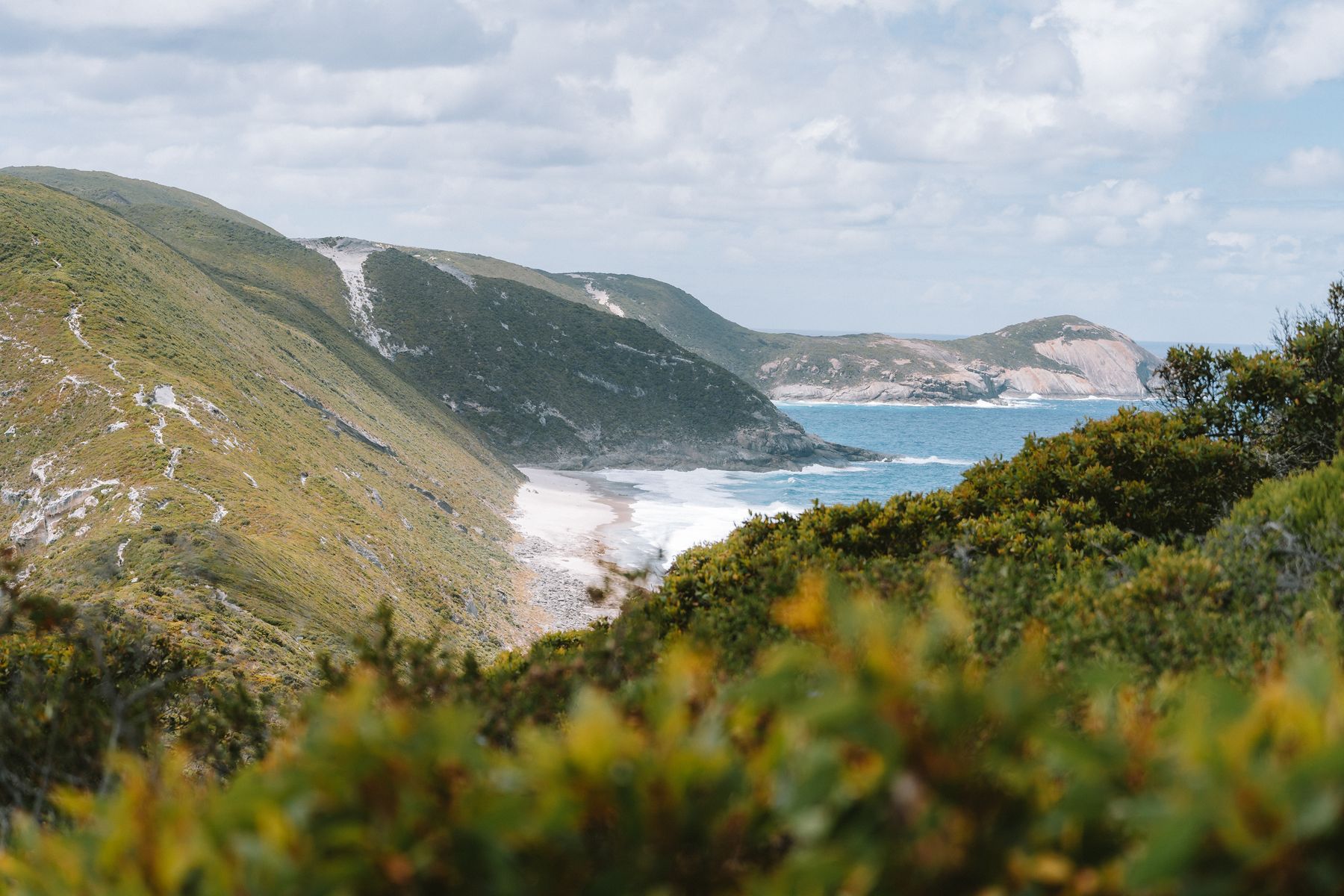
Why Albany's nature lodges are adding EV chargers now
Over the past eighteen months, properties within twenty miles of Albany have installed Level 2 charging stations at a faster rate than metro lodging near the airport or downtown convention district. The reason is straightforward: guests arriving at lodges bordering John Boyd Thacher State Park, the Albany Pine Bush Preserve, and the Helderberg Escarpment typically drive electric crossovers and sedans from Boston, New York City, and Montreal. These travellers want to top up overnight so they can spend the next day on trail systems without backtracking to a Supercharger in Colonie or Latham. Properties that once relied on propane shuttles and diesel generators now see the EV charger as essential amenity, not optional extra. The Capital District Transportation Committee reports that public charging ports in Albany County grew by forty-two percent between January 2024 and December 2025, and private hospitality installs account for nearly a third of that increase.
Most nature lodges near Albany occupy former farmsteads, reclaimed rail corridors, or hillside parcels that back directly onto state land. Installing chargers in these locations required utility upgrades—National Grid ran new three-phase service to several properties along Route 156 in New Scotland and Route 443 in Berne during 2024—but the investment paid off quickly. Lodge owners report that guests now extend stays by one night because they no longer need to drive into the city for a charge before heading home. If you are planning a May or October visit, when foliage and spring wildflower traffic peaks, book early: the combination of trail access and on-site charging has pushed weekend occupancy above ninety percent at the handful of lodges that offer both.
Thacher Park rim properties: limestone cliffs and ChargePoint pedestals
John Boyd Thacher State Park spans twenty-two hundred acres along the Helderberg Escarpment, a four-hundred-foot limestone cliff that runs east to west for twenty-five miles. The Indian Ladder Trail, a two-and-a-half-mile loop that descends below the cliff face to a series of waterfalls, is the park's signature hike. Three small lodges and a renovated 1920s inn sit within a ten-minute drive of the main trailhead on Route 157 in New Scotland. The inn, a twelve-room property at the intersection of Route 157 and Beaver Dam Road, installed two ChargePoint dual-port stations in autumn 2024. Guests park in a gravel lot shaded by Norway maples, plug in, then walk half a mile on a connector trail that joins the escarpment rim path. By morning, a modest EV battery is full and the host has left thermoses of coffee and trail maps on the lodge porch.
A smaller six-room lodge two miles west, near the hamlet of Knowersville, offers a single Enel X JuiceBox mounted on the barn where the owners stable two retired carriage horses. The nightly rate in 2026 runs between one hundred eighty and two hundred twenty dollars depending on season, and the EV charge is included. The lodge backs onto a meadow that connects to the Elm Avenue Park entrance, so you can be on the escarpment trail in under twenty minutes without moving your car. I would book this property for a midweek September stay when the sumac turns crimson and the morning light rakes across the cliff bands. The only downside is limited cell service—Verizon works, AT&T is patchy—but that enforces the digital detox most guests are seeking. If you need reliable connectivity for work calls, choose the larger inn on Route 157 instead.
Albany Pine Bush Preserve: sand dunes, rare butterflies, and Tesla destination chargers
The Albany Pine Bush Preserve protects thirty-three hundred acres of inland pitch-pine and scrub-oak barrens, one of only twenty such ecosystems left in the world. The preserve sprawls across the towns of Guilderland, Colonie, and Albany, with the main Discovery Center located on New Karner Road just off Route 155. Two lodges sit at opposite edges of the preserve. The first, a converted 1890s farmhouse on Rapp Road in the Town of Colonie, has four guest rooms and two Tesla Wall Connectors in a carport behind the kitchen garden. The hosts are retired State University professors who lead weekly wildflower walks in April and May. Nightly rates start at one hundred sixty dollars; the Tesla chargers are free for guests, and the hosts provide adapters for non-Tesla vehicles. From the farmhouse, a sand trail runs north through scrub oak for a mile and a quarter to meet the preserve's Yellow Trail loop.
The second property is a modern three-suite lodge on the southern edge of the preserve, near the intersection of Washington Avenue Extension and Fuller Road. Built in 2023, it features a bank of four Emporia Level 2 chargers under a solar canopy. Each suite has a kitchenette, gas fireplace, and private entrance. Rates run two hundred ten to two hundred fifty dollars, positioning it at the top of the local market, but the design and location justify the premium. The lodge sits two hundred yards from the preserve's Dune Trail, a gentle two-mile loop that passes through open sand barrens where you can spot the endangered Karner blue butterfly in June and July. If you arrive in winter, cross-country ski tracks are groomed along the same route. I prefer the Rapp Road farmhouse for its lived-in character and the hosts' knowledge of the preserve's ecology, but families or groups wanting self-contained suites will find better value at the Washington Avenue property.
Helderberg rail trail corridor: converted barns and universal charging
The Helderberg Hudson Rail Trail, when complete, will run from the Port of Albany southwest to the village of Altamont, a distance of roughly fourteen miles. As of early 2026, eight miles are paved and open, starting at the Corning Preserve in downtown Albany and running through Guilderland to the hamlet of Meadowdale. Two lodges have opened along this corridor in the past three years, both repurposed dairy barns with rooms on the second floor and common areas downstairs. The first sits on Depot Road in Guilderberg, where the rail trail crosses under Route 146. It has five rooms, a shared kitchen, and two ClipperCreek charging stations in the gravel parking area. Nightly rates range from one hundred forty to one hundred seventy dollars. The barn is a five-minute walk from the trail, which you can ride or hike north into Albany or southwest toward Altamont. The village of Altamont, three miles away, has a co-op grocery, a bakery, and a brewpub that sources hops from a farm in Berne.
The second barn conversion stands on Route 146 itself, just east of Guilderland Center. It offers three rooms, each with an en-suite bath retrofitted into former hayloft spaces. The owner installed a universal charging station—compatible with J1772, CCS, and CHAdeMO plugs—that pulls power from a rooftop solar array. On sunny days the charge is effectively free; on overcast days or in winter the system draws from the grid. Rates are one hundred ninety to two hundred thirty dollars. The rail trail runs directly behind the property, so you step out the barn door and onto the pavement. I would choose this lodge for a spring or autumn cycling trip: ride into Albany for breakfast at a diner on Lark Street, return for a midday rest, then ride southwest to Altamont for dinner. The rail trail is flat, crushed limestone and asphalt, suitable for road bikes and e-bikes alike. By late 2026 or early 2027, the trail extension to Voorheesville should open, adding another six miles of car-free riding.
Schoharie Creek valley: rustic cabins and overnight charging for deeper backcountry
Southwest of Albany, the Schoharie Creek carves a valley through the northern Catskill foothills. The creek flows north through the towns of Berne, Rensselaerville, and Westerlo before joining the Mohawk River near Fort Hunter. This stretch of rural Albany County sees fewer visitors than Thacher Park or the Pine Bush, but a cluster of small lodges along Route 443 and Route 81 now cater to hikers, paddlers, and anglers who want trail access and EV charging without resort-level pricing. A five-cabin property on Route 443 in Berne, near the hamlet of East Berne, installed two Grizzl-E charging stations in spring 2025. The cabins are basic—wood stove, propane fridge, outhouse with composting toilet—but the charging stations and a new shower house bring the amenities up to a level most EV drivers expect. Rates run one hundred ten to one hundred thirty-five dollars per night, the lowest in the region for properties with charging.
From the cabins, a forest road leads south to the Mine Kill State Park trail network, which connects to longer routes in the Partridge Run Wildlife Management Area. The terrain is hilly, the trails are rocky and often muddy through June, and black bears are common—hang food properly or use the bear-proof lockers the lodge provides. I recommend this area for experienced hikers who want solitude and are comfortable with more primitive conditions. If you prefer maintained trails and flush toilets, stick to Thacher Park or the Pine Bush. The Schoharie Creek valley is best visited in late August or September, after the summer humidity breaks and before autumn hunting season starts in October. The lodge owners also rent canoes and kayaks; a mellow six-mile paddle from Berne to Rensselaerville takes about three hours, and the creek is clean enough to swim in most summers. Arrange a car shuttle or pay the lodge to pick you up at the takeout.
Practical details: charging speeds, booking windows, and what to skip
Most nature lodges near Albany offer Level 2 charging, which delivers roughly twenty-five to thirty miles of range per hour. If you arrive with a half-depleted battery, an overnight session will fully replenish a typical EV. None of these properties have DC fast chargers; for that, use the Electrify America station on Central Avenue in Colonie or the Tesla Supercharger at Crossgates Mall. Charging is usually included in the nightly rate, but a few lodges add a flat ten or fifteen dollar fee. Ask when you book. Some properties allow you to reserve a charging spot in advance; others operate on a first-come basis. If charging is essential and not negotiable, confirm availability in writing.
Book at least four to six weeks ahead for weekends in May, September, and October, when trail traffic and foliage season overlap. Midweek availability is better, and rates sometimes drop by ten to twenty percent Sunday through Thursday. Most lodges have a two-night minimum on weekends, though a few waive it in winter. Cancellation policies vary: some allow free cancellation up to seven days prior, others charge a one-night penalty. Read the terms before committing. Skip properties that advertise trail access but require a fifteen-minute drive to reach the trailhead—direct access means you can walk or ride from your room to the trail in under five minutes. Also skip anywhere that lists charging as 'coming soon'; construction delays are common, and you do not want to arrive and find the charger still in the box.
Questions, answered
Which Albany nature lodge has the best combination of trail access and EV charging?
The six-room lodge near Knowersville on the Thacher Park escarpment rim offers the tightest integration: you park, plug into the barn charger, and walk twenty minutes to reach the limestone cliffs and Indian Ladder Trail. Rates run one hundred eighty to two hundred twenty dollars, and the EV charge is included. Cell service is limited, so plan accordingly.
Can I charge a non-Tesla EV at lodges with Tesla Wall Connectors?
Yes. Most lodges with Tesla Wall Connectors provide J1772 adapters for non-Tesla vehicles. Confirm adapter availability when you book. The converted farmhouse on Rapp Road at the Pine Bush Preserve keeps adapters on hand and charges no extra fee for non-Tesla guests.
What is the charging speed at these nature lodges?
All properties listed use Level 2 chargers, delivering twenty-five to thirty miles of range per hour. An overnight session fully replenishes most EV batteries. No lodges in this area offer DC fast charging; the nearest fast chargers are on Central Avenue in Colonie and at Crossgates Mall.
When should I avoid booking if I want uncrowded trails?
Avoid weekends in May, late September, and all of October, when foliage traffic pushes occupancy above ninety percent and trails see heavy use. Midweek stays in June, July, and August offer better availability, lower rates, and quieter trails, though summer humidity can be high on ridge hikes.
Are there budget options under one hundred fifty dollars per night?
The five-cabin property on Route 443 in Berne charges one hundred ten to one hundred thirty-five dollars and includes two Grizzl-E charging stations. Amenities are basic—wood stove, outhouse, outdoor shower house—but the rate is the lowest in the region for lodging with EV charging and direct trail access.
Doing good is the business: every booking through Albany Eco funds one verified tonne of carbon removal — same room, same price, no markup.
Start Your Search