Sustainable Albany: A Traveler's Guide to the Capital Region
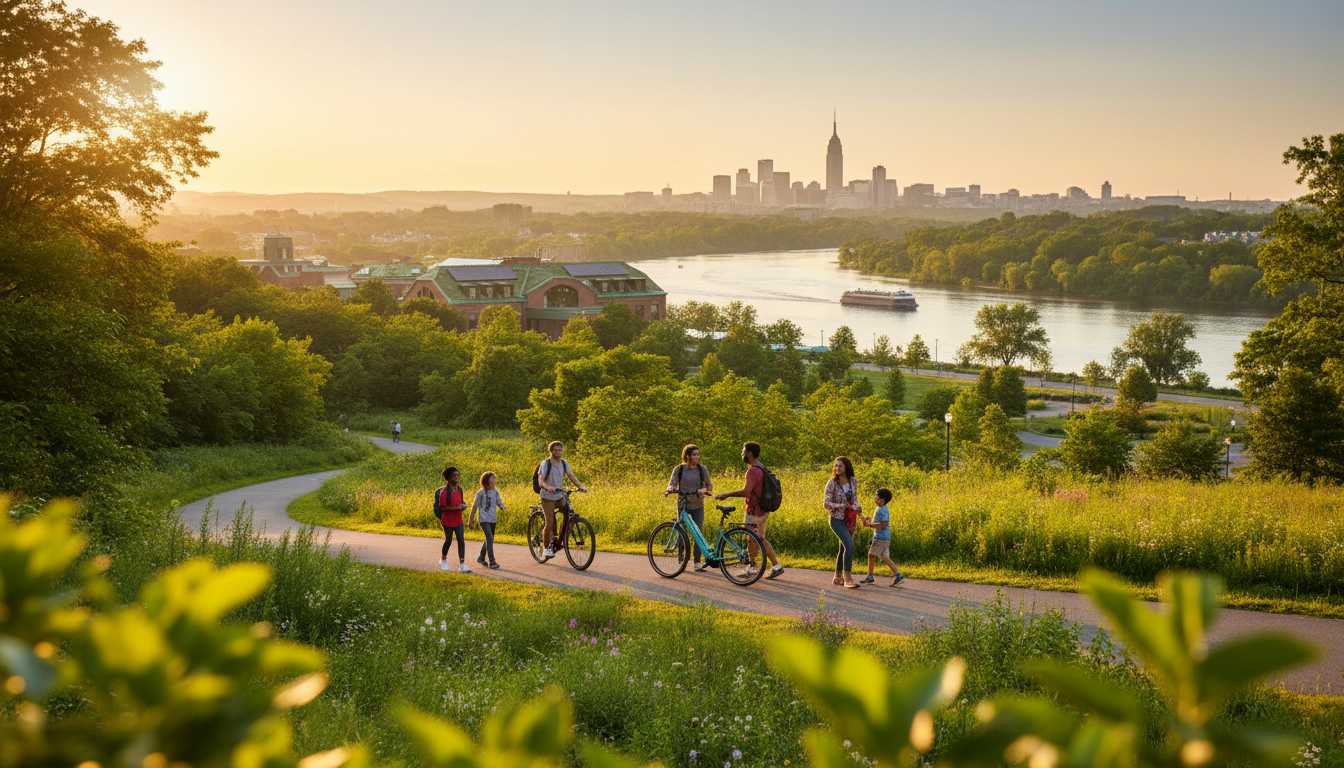
 A car-free bike trail along the Hudson River in Albany, NY, the low-impact way to see the Capital Region
From farm-to-table dining in the Warehouse District to car-free bike trails along the Hudson, here’s how to travel lightly in New York’s capital.
Getting Around Without a Car
Albany’s compact core makes car-free travel easier than you’d think. The CDTA’s Route 10 and 12 buses run every 15–20 minutes between Downtown, the Empire State Plaza, and the University at Albany campus. A $4 day pass covers unlimited rides. For the Hudson River Way, follow the paved Mohawk-Hudson Bike-Hike Trail — it stretches 40 miles from Albany’s Corning Preserve to Schenectady. Rent a bike from Troy Bike Rescue (donation-based) or CDPHP Cycle, which has e-bike docks at the Rensselaer Rail Station and Washington Park. Amtrak’s Empire Service connects Albany-Rensselaer to NYC in 2.5 hours, so you can leave the car at home.
If you fly into Albany International Airport, the 737 bus drops you at the CDTA’s Downtown Transit Center in 25 minutes for $1.50 — cheaper than a $25–30 rideshare. For day trips, the Albany-Rensselaer station also serves the Ethan Allen Express to Rutland and the Lake Shore Limited west. Trains are fuller on Fridays and Sundays; book at least three days ahead for the best fares. Skip the airport rental car unless you’re heading to the Adirondacks or Cooperstown — parking downtown runs $12–20 per day and the walkable core rewards you for leaving it behind.
Where to Sleep: Green Stays in Albany
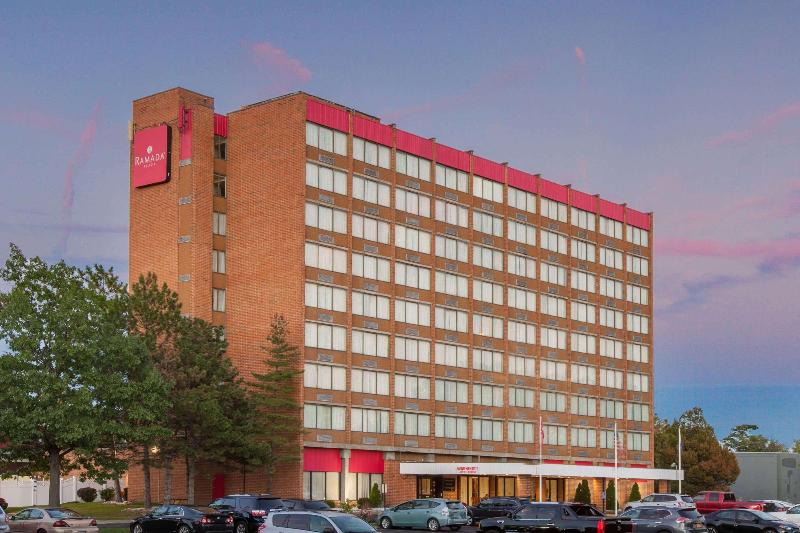
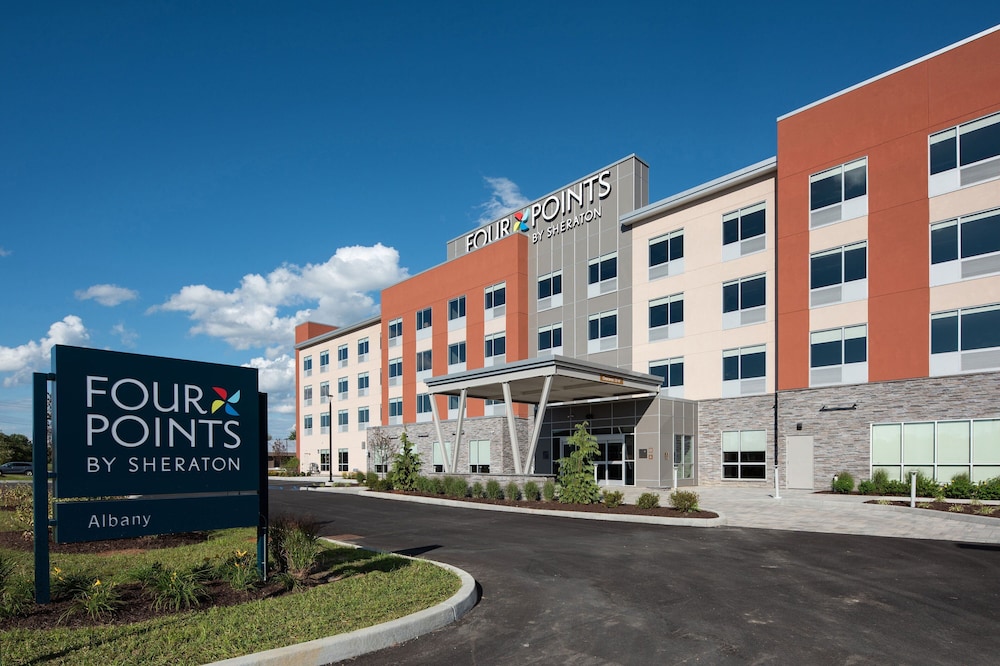
Downtown Albany has a handful of LEED-certified hotels, but the greenest option is often a smaller inn. The Morgan State House on State Street is a 19th-century brownstone with a courtyard garden, solar panels, and a strong recycling program — doubles typically run $180–220 in summer. The Hilton Albany (LEED Silver) near the Times Union Center offers a central location and a free shuttle from the train station. For budget-minded travelers, the TownePlace Suites on Washington Avenue Extension has kitchens and is near the Crossgates Mall bus hub, with rates from $120–150. Book directly with the property to ensure your stay supports their sustainability initiatives.
If you want to stay outside the city, the Albany County Helderberg-Hudson Rail Trail has B&Bs in Voorheesville and Slingerlands that cater to cyclists — expect $130–170 per night, including secure bike storage. The best months for lower rates and pleasant weather are May, June, September, and October. Avoid late January through February unless you’re here for cross-country skiing at the Pine Bush Preserve. Where would I book? The Morgan State House for a weekend, or the TownePlace Suites if I’m staying a week and want to cook. Both put you within a 10-minute walk of the Capitol and the New York State Museum.
Eating and Exploring Sustainably
Albany’s farm-to-table scene punches above its weight. The Hollow Bar + Kitchen on North Pearl Street sources from Fox Creek Farm in Schoharie and composts its food waste. Try the seasonal root vegetable hash (around $16) or the grass-fed burger from Kinderhook Farm. For a quick, low-waste lunch, the Honest Weight Food Co-op on Watervliet Avenue has a bulk section and a hot bar that uses local produce — bring your own container for a discount. The Warehouse District’s Nine Pin Cider Works makes cider from New York apples and donates spent pomace to local farms; a tasting flight is $10–12. Skip the chain restaurants on Wolf Road — they generate more packaging and fewer local jobs.
To see the city sustainably, walk the Empire State Plaza’s art collection (free), then head to the Corning Preserve for a riverfront stroll. The Albany Pine Bush Preserve, 15 minutes west by bus, offers 18 miles of trails through a rare inland pine barrens — free guided walks on Saturdays. The New York State Museum is free and has a strong exhibit on the Hudson River’s ecology. For a day trip, take the CDTA Route 22 to Thacher Park for cliff views and swimming in the summer. In winter, the Ten Broeck Mansion hosts a holiday greens workshop using invasive species — a quirky, low-impact outing. Best months for outdoor activities: May–October.
Car-Free Day Trips From the Capital
The greenest day trips from Albany need no rental at all. Amtrak’s Empire and Adirondack services reach Saratoga Springs in about 40 minutes, dropping you a ten-minute walk from Broadway, Congress Park and the Saratoga Race Course; a one-way ticket runs roughly $15–25 if booked a few days ahead. South of the city, the same rail corridor reaches Hudson in about 35 minutes, and Warren Street’s antique shops, cafes and Basilica Hudson begin at the station door. Both towns are compact enough to explore entirely on foot, so you spend the day walking rather than parking, and you are back at your Albany hotel in time for dinner.
Closer in, CDTA buses handle Troy and Watervliet without a car. Route 22 and the 100 line reach downtown Troy in 20 to 30 minutes for the $1.50 fare or a $4 day pass, landing you near the Saturday Troy Waterfront Farmers Market and the restored storefronts along River Street. For Schenectady, cyclists can ride the full 40-mile Mohawk-Hudson Bike-Hike Trail from the Corning Preserve, or take CDTA Route 1 in about 45 minutes to the Stockade, one of the oldest intact neighbourhoods in the country. Save the rental for the Helderbergs and Thacher State Park’s Indian Ladder Trail, which the bus network does not reach.
Choosing a Neighbourhood to Base In
Where you sleep decides how much you drive. Center Square, the grid of 19th-century row houses just west of the Capitol, is the most walkable base: you are minutes on foot from Lark Street’s restaurants, Washington Park and the Empire State Plaza, and CDTA buses run down Washington and Central Avenues from here. Rooms and short-stay B&Bs typically run $130–190 a night. Downtown proper, around State Street and Broadway, puts you closest to the Rensselaer train shuttle and the New York State Museum, with hotel rates of $150–210 in summer. Either area lets you skip a rental entirely for a two- or three-day trip.
The Warehouse District, north of downtown along Broadway, is the choice if food and cider are the point of the visit: Nine Pin Cider Works, the Albany Distilling Company and several breweries sit within a few blocks, and rooms in the converted brick buildings run a little higher, around $160–220. Skip basing yourself out on Wolf Road in Colonie unless you are flying in and straight out; the strip-mall layout means you drive for every meal and add a 15-minute trip into the city each way. For the lowest footprint, stay where your feet, not your car, can reach the day’s plans.
Before you book
What people ask before booking Albany.
Amtrak’s Empire Service runs from Albany-Rensselaer to Penn Station in about 2.5 hours. It’s far lower-emission than driving or flying. Book early for $36–72 one-way; the first train leaves around 6 a.m.
Yes. The Hilton Albany is LEED Silver, and the Morgan State House uses solar power and sources local food. Both are within walking distance of the Capitol and the train station shuttle.
May, June, September, and October offer mild weather and fewer crowds. Summer can be humid; winter is best for skiing at the Pine Bush Preserve, but some trails close after heavy snow.
For a downtown-based trip, yes. CDTA buses, the CDPHP bike share and the walkable core around Center Square and the Empire State Plaza cover most sights, and Amtrak handles day trips to Saratoga Springs and Hudson. Rent a car only for the Pine Bush or Thacher State Park.
Take CDTA’s Route 737 from Albany International Airport to the Downtown Transit Center; it runs roughly every 30 minutes, takes about 25 minutes and costs $1.50 — far less than a $25–30 rideshare. Several corridor hotels also run free shuttles from the terminal.