How the Empire State Trail is Driving the Capital Region's Eco-Tourism Boom in 2026
Albany has become the unexpected hub for active travelers as the 750-mile Empire State Trail pumps hikers, cyclists and kayakers into downtown neighborhoods, riverfront parks and farm-to-table dining rooms year-round.
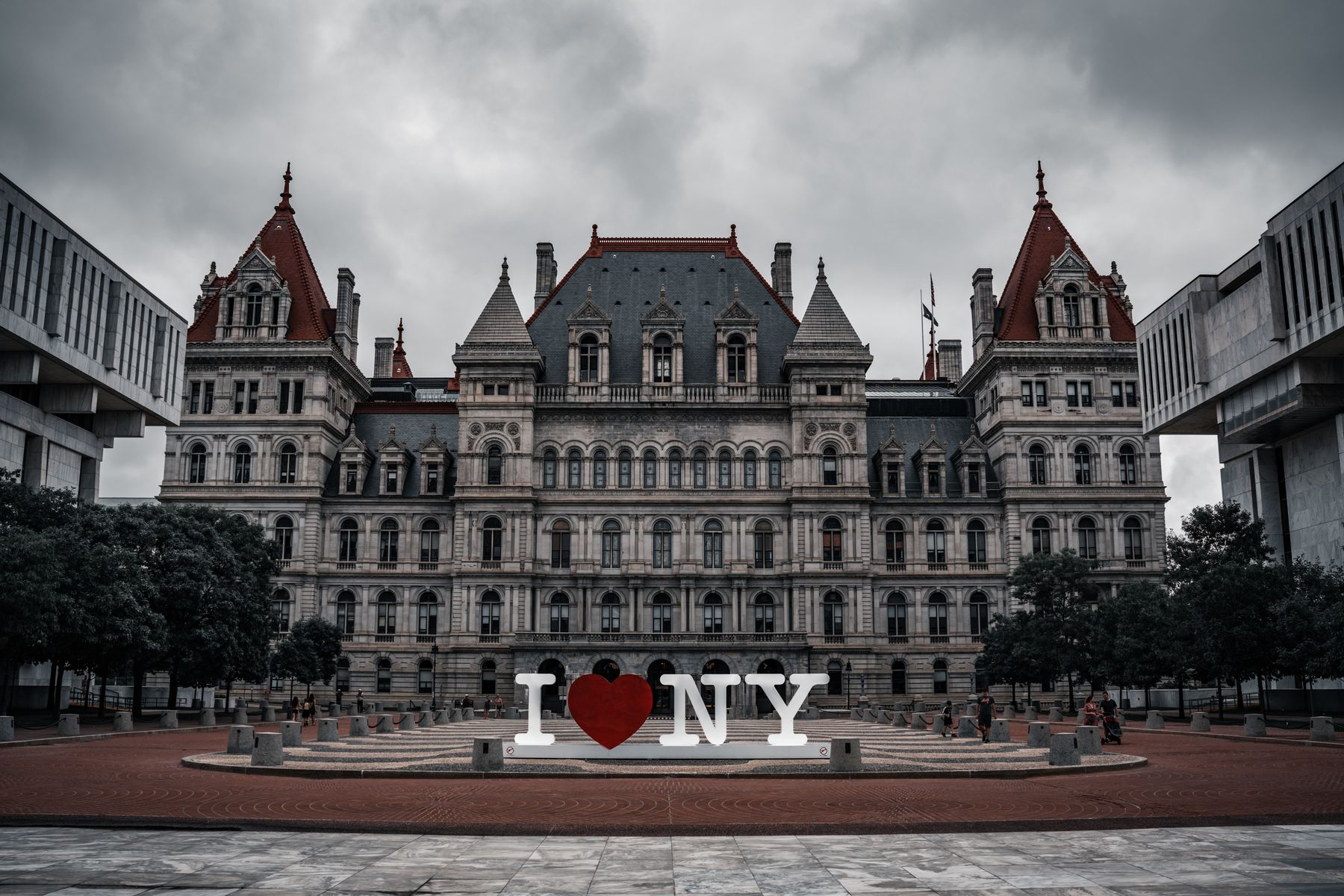
Why Albany Became an Overnight Base for Trail Enthusiasts
The Empire State Trail threads straight through downtown Albany at the Corning Preserve waterfront, putting you within a ten-minute walk of trail access from most State Street and Broadway hotels. Cyclists rolling north toward Waterford or south toward the Hudson Valley Greenway pass directly beneath Interstate 787, making Albany the only capital-city trailhead with immediate highway access, Amtrak connections at the Rensselaer station across the river, and a cluster of bike-rental outfits along Quay Street. Hotels near the Palace Theatre or Washington Park report occupancy jumps between April and October, when trail traffic peaks and guests book two or three nights to explore segments in both directions without breaking camp.
The hundred-mile Albany-to-Saratoga Springs section draws the highest volume because it runs almost entirely off-road along the Hudson River and the Champlain Canal towpath, avoiding the highway shoulders that plague other upstate routes. You can pedal from the Corning Preserve boat launch to Lock 2 in Waterford in under ninety minutes, stop for lunch at Dinosaur Bar-B-Que on the way back, and still have daylight to walk the Ten Broeck Triangle historic district. Spring weekends see groups of twenty or thirty riders staging from the parking lot at Jennings Landing, and by mid-morning the Mohawk-Hudson Bike-Hike Trail segment near the Watervliet Arsenal is lined with families, retirees and through-hikers resupplying at the Hannaford on Central Avenue.
Winter transforms the scene but doesn't empty it: cross-country skiers and snowshoers use the paved Mohawk-Hudson section between Albany and Cohoes when snow cover reaches four inches, and the Albany Pine Bush Preserve—just west of Washington Avenue Extension—adds another eighteen miles of marked trail that connects to the main corridor at the Patroon Creek crossing. Hotels along Wolf Road near the airport see midweek bookings from solo travelers combining trail days with meetings at the state office campus, while weekend guests favor the Pearl Street corridor for its walkability to restaurants like New World Bistro Bar and the shops around Lark Street.
Where to Access the Trail Without a Car
If you're staying downtown and don't want to rent a vehicle, the Corning Preserve Riverfront Park entrance at Colonie Street puts you on the trail in five minutes from the Hampton Inn on Lodge Street or the Hilton Albany near the Times Union Center. Walk east on Columbia Street, cross under 787 at the pedestrian tunnel, and you're standing on pavement that runs unbroken to Battery Park in Manhattan or north to the Canadian border depending on which way you turn. The preserve itself offers three miles of flat, paved loop suitable for morning jogs, and the boat launch has restrooms, water fountains and a small café open April through October with coffee and breakfast sandwiches under eight dollars.
The Albany-Rensselaer Amtrak station on East Street in Rensselaer sits two hundred yards from the trail's eastern spur, which crosses the Dunn Memorial Bridge into downtown Albany and links to the main Champlain Canalway segment at the Corning Preserve junction. If you're arriving by train and want to ride south toward Castleton-on-Hudson or Schodack Island State Park, you can pick up a rental from Downtube Bike Shop on Third Street in Troy—a twelve-minute drive or thirty-minute ride north—and drop it at their second location on Lark Street in Albany when you return. The shop charges forty dollars per day for a hybrid bike, sixty for an e-bike, and they'll deliver to your hotel if you book two or more days in advance and stay within the city limits.
The Washington Avenue Extension trailhead near Fuller Road serves guests staying in the University at Albany area or along Western Avenue, where mid-range chains like the Fairfield Inn and the Courtyard Marriott cluster near Crossgates Mall. This access point connects to the Albany County Helderberg-Hudson Rail Trail, a nine-mile crushed-limestone path running west to the Normans Kill gorge and the village of Voorheesville. It's quieter than the riverfront segments and better for birding—herons and kingfishers nest along the creek between May and August—but the surface can be rough after heavy rain, so road tires will struggle in spring. Park at the small lot on Depot Road in Delmar if you're driving, or take CDTA bus route 12 from downtown to the Fuller Road Park-and-Ride and walk half a mile west to the trailhead.
Day Trips That Loop Back to Your Albany Hotel
The forty-mile round trip to Waterford and back is the most popular same-day ride because it stays flat, follows the river the entire way, and deposits you at the Waterford Harbor Visitor Center, where you can watch boats navigate the Erie and Champlain canal locks while you eat a sandwich from the Stewart's Shop across the street. Leave Albany by nine in the morning, and you'll reach Waterford by eleven, giving you an hour to explore the tugboat museum and the lock overlook before the return ride. The route passes the Watervliet Arsenal, the Cohoes Falls overlook—worth a ten-minute detour up North Mohawk Street—and the Peebles Island State Park entrance, where a short spur trail leads to picnic tables with views of the confluence of the Mohawk and Hudson rivers.
Heading south, the eighteen-mile ride to Castleton-on-Hudson takes you through Rensselaer's riverfront, past the restored train station, and along a wooded stretch where the trail runs on the old Boston and Albany Railroad bed. Castleton itself is a single-street village with a deli, a pizza place and a small park at the boat launch, but the reward is the quiet: this section sees a tenth of the traffic that the northern route attracts, and on weekday mornings you can ride for twenty minutes without passing another person. The return leg offers long views across the river to the Helderberg Escarpment, especially striking in late afternoon light from June through September, and the gentle downhill grade back into Albany means you'll shave fifteen minutes off your outbound time.
For a car-assisted loop, drive twenty minutes west to the Thacher State Park trailhead on Route 157 in Voorheesville, where the Helderberg-Hudson Rail Trail connects to the Long Path, a three-hundred-mile hiking route that runs from New York City to the Adirondacks. The Indian Ladder Trail within Thacher Park descends the cliff face through a series of overhangs and waterfalls—bring trekking poles, the limestone steps are slick—and at the bottom you can walk two miles east along Beaver Dam Road to rejoin the rail trail for a flat return to the parking area. The full loop covers eight miles and takes four hours with stops for photos at the overlook and lunch at the picnic pavilion near the mine lot. Thacher Park charges a ten-dollar vehicle fee May through October, but Empire Pass holders enter free, and the lot rarely fills even on holiday weekends.
Farm Stands, Breweries and Food Stops Along the Trail
The trail's design as a multi-use corridor means it passes through working agricultural land and post-industrial neighborhoods in equal measure, and the best food stops are the ones that leaned into trail traffic early. The Ale House at Riverfront Park in Cohoes, half a mile west of the trail via North Mohawk Street, opened a bike corral in 2024 and now does weekend lunch service almost entirely to riders stopping between Albany and Waterford. Their smoked-turkey sandwich and a local IPA runs thirteen dollars, and the outdoor seating overlooks the Cohoes Music Hall and the canal lock. It's not fine dining, but it's reliable, quick and you don't have to lock your bike out of sight.
Nine Pin Cider in North Albany at 929 Broadway sits a quarter-mile east of the trail near the Livingston Avenue bridge, with a tasting room open Thursday through Sunday and a full menu Friday and Saturday evenings. They press New York apples on-site, and the dry ciders pair well with the wood-fired pizzas—twelve to sixteen dollars—that come out of the kitchen fast enough to keep pace with the group rides that roll in most Saturday afternoons. The tasting-room staff will fill water bottles without making you buy anything, a small courtesy that earns loyalty from the through-hikers doing the full seven-hundred-fifty-mile route in sections over consecutive weekends. If you're staying downtown, it's a fifteen-minute ride north from the Corning Preserve or a thirty-minute walk through the Arbor Hill neighborhood.
Faddegon's Nursery and Indian Ladder Farms both sell produce, baked goods and cider within a mile of the Helderberg-Hudson Rail Trail between Delmar and Altamont, and both have bike racks installed at their main entrances. Indian Ladder's farm store on Altamont Road offers apple cider doughnuts year-round and weekend barbecue in summer—brisket sandwich, coleslaw and a drink for fourteen dollars—while Faddegon's on Route 85A in Latham leans more toward gardening supplies and greenhouse plants but stocks local honey, maple syrup and fresh bread from Bella Napoli bakery in Troy. Neither is set up as a formal restaurant, but both welcome trail traffic and have picnic tables where you can sit and eat without feeling like you're loitering. The Albany County Land Conservancy publishes a free farm-stand map online showing another two dozen seasonal stops, most within a half-mile detour of the main trail and open late June through early October.
Shoulder-Season and Winter Trail Conditions
November through March sees trail use drop by sixty or seventy percent according to the Albany County Convention and Visitors Bureau, but the paved sections remain passable except during active snowstorms or the brief melt-freeze cycles in late February when black ice forms under the 787 overpasses. The Mohawk-Hudson segment between Albany and Cohoes gets plowed within forty-eight hours of snowfall over two inches, prioritizing the stretch from the Corning Preserve to the Watervliet line, and on clear winter weekdays you'll share the trail with a handful of commuter cyclists and the occasional fat-bike rider heading out to Peebles Island. The riverside path stays windy—layer more than you think you need, and assume the temperature on the water will run five degrees colder than downtown Albany.
Cross-country skiing becomes viable along the unpaved Helderberg-Hudson Rail Trail and the Albany Pine Bush trails once snow depth exceeds four inches and stays consistent, usually from mid-December through February. The rail trail west of Delmar gets groomed by volunteers after big storms, though the quality varies and you should check the Albany Nordic Ski Club's trail report before driving out. The Pine Bush Preserve maintains fourteen miles of marked ski trail separate from the summer hiking routes, accessed from the Discovery Center parking lot on New Karner Road, and the terrain is gentle enough for beginner skiers while still offering the solitude you lose on the main paved corridor during warmer months. Equipment rental is sparse—the closest shop is Goldstock's in Schenectady, twenty minutes north—so plan to bring your own skis or stick to winter hiking in microspikes on the paved sections.
March and April bring mud season to the unpaved trails, making the Helderberg-Hudson and Albany County rail trails unpleasant for road bikes and marginal even for gravel setups until the surface dries out by late April. The paved Mohawk-Hudson and Champlain Canalway sections stay rideable year-round, and April is the best month for birding as waterfowl return to the Hudson and the preserve's wetlands. Songbird migration peaks in early May, and the overlook at Peebles Island State Park becomes crowded with birdwatchers on weekend mornings when warblers move through. Hotel availability tightens in May as tulip-festival visitors fill downtown rooms, so book early if you're planning a trail trip around the first weekend of the month, or stay along Wolf Road where corporate hotels hold more last-minute inventory.
How to String Together a Multi-Day Trail Journey
Through-riders tackling the full Empire State Trail or even the two-hundred-mile Hudson Valley section use Albany as a natural midpoint because the city offers the densest cluster of hotels, bike shops and repair services between New York City and Plattsburgh. A typical strategy is to ride north from Manhattan to Albany over three or four days, rest a night downtown with a zero-mileage day for laundry and a proper meal, then continue north toward Lake Champlain or west along the Erie Canalway toward Buffalo. The Hilton Albany and the Renaissance Albany on State Street both store bikes in ground-floor luggage rooms if you ask at check-in, and the Hampton Inn on Lodge Street has an interior hallway wide enough to roll a bike to your room without wrestling through doorways.
Southbound riders heading from the Adirondacks or Saratoga Springs often stop for two nights in Albany to explore the city and make side trips to the Pine Bush or Thacher Park before continuing down the Hudson Valley Greenway toward Poughkeepsie. The seventy-mile stretch from Albany to Rhinebeck is the most scenic on the entire trail according to most through-riders, with the river on your left, the Catskill Mountains visible across the water, and almost no car traffic once you pass the Stockport station. Hotels in downtown Albany are your last good lodging option until you reach Hudson, forty miles south, where choices narrow to a single boutique inn and a couple of dated motels, so it makes sense to spend your rest day in Albany rather than pushing through tired.
If you're not committed to riding the entire trail but want more than a day trip, a two-night Albany stay with a car-shuttled ride from Saratoga Springs back to Albany works well for strong cyclists who want to ride forty-five miles without backtracking. Drive to Saratoga in the morning, park at the visitor center on Broadway, ride south on the Zim Smith Trail and Champlain Canalway to Albany by mid-afternoon, and your car is waiting when you finish the next morning's shorter loop to Waterford and back. This approach avoids the long, dull return ride and lets you experience the northern segment—generally considered superior—without the commitment of a true multi-day itinerary. Most downtown Albany hotels charge fifteen to twenty dollars per night for parking, so factor that in when comparing room rates between State Street properties and the Wolf Road chains that include parking.
Questions, answered
What is the best time of year to ride the Empire State Trail near Albany?
Late April through October offers the most reliable weather and full trail services, but May and September are ideal—comfortable temperatures, lower humidity, fewer bugs and smaller crowds than summer weekends. Fall foliage peaks in early October along the Helderberg-Hudson sections and draws heavy weekend traffic, so consider midweek rides if your schedule allows.
Can I ride the Empire State Trail in Albany without bringing my own bike?
Yes, Downtube Bike Shop on Lark Street rents hybrids for forty dollars per day and e-bikes for sixty dollars, with free delivery to downtown hotels for two-or-more-day bookings. They have a second Troy location for one-way rides if you want to shuttle back by car. Reservations are recommended for weekend pickups between May and September.
How far can I realistically ride in a day from Albany?
Most recreational cyclists cover twenty-five to forty miles comfortably on the flat, paved sections. The round trip to Waterford and back totals forty miles and takes four to five hours with stops. Stronger riders can reach Saratoga Springs—forty-five miles one way—but plan for six hours minimum and arrange a car shuttle or rest overnight before returning.
Are there hotels in Albany with secure bike storage?
The Hampton Inn on Lodge Street, Hilton Albany near the Times Union Center, and Renaissance Albany on State Street all accommodate bike storage requests—call ahead to confirm availability. Most properties allow bikes in guest rooms if you bring a towel to protect carpets and elevators, though policies vary by front-desk manager.
Is the trail crowded on weekends?
The Mohawk-Hudson section between Albany and Waterford sees heavy traffic Saturday and Sunday mornings from May through September, especially between nine and noon. The Helderberg-Hudson Rail Trail west toward Voorheesville stays quieter, and weekday mornings on any section offer near-solitude. Winter use drops dramatically, leaving the paved trail nearly empty even on clear days.
Doing good is the business: every booking through Albany Eco funds one verified tonne of carbon removal — same room, same price, no markup.
Start Your Search