Boutique Eco-Lodges & Nature Cabins Near the Catskills & Adirondacks from Albany
Albany sits perfectly between two wilderness regions where sustainable lodges, converted barns and architect-designed cabins offer modern comfort without sacrificing the planet—here's where to stay when you want forest trails outside the door and zero guilt about your carbon footprint.
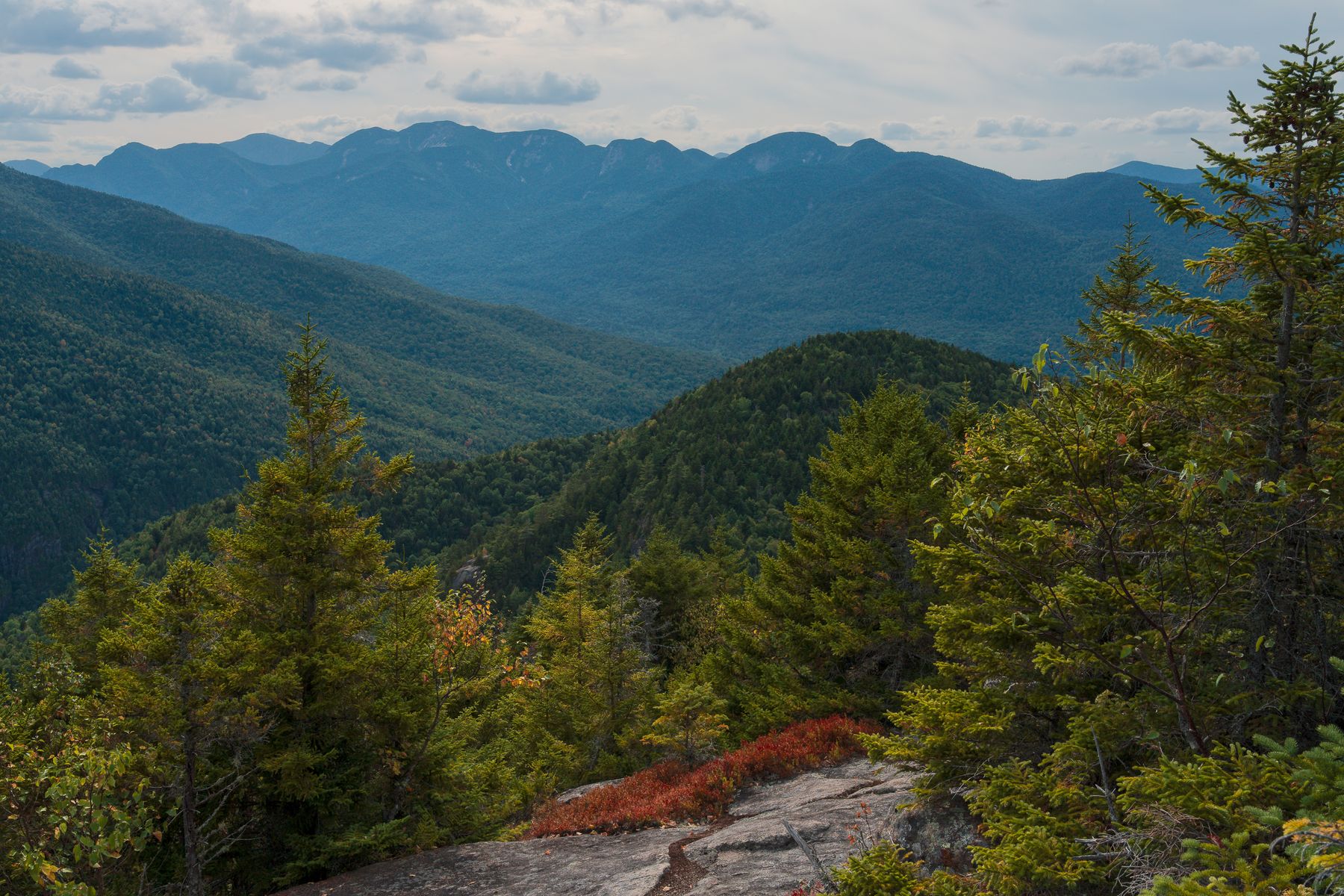
Why Albany makes the smartest base camp before heading into the mountains
Albany gives you interstate access, an Amtrak station on Empire Service routes, and the last proper grocery stores before you disappear into the pines. The Northway—Interstate 87—runs straight from the city to the southern Adirondacks in ninety minutes, while Route 23 West cuts through the northern Catskills in under an hour. Staying a night in Albany before or after your eco-lodge booking lets you stock a cooler with produce from the Troy Waterfront Farmers Market, grab hiking boots you forgot from REI on Wolf Road in Colonie, or simply avoid the stress of a five-hour drive from downstate followed by a dark forest road. Most nature retreats ask you to arrive before dusk because signage disappears under the canopy, so breaking the trip in two makes sense.
The city itself runs on hydropower from the Mohawk River and has quietly become a testbed for green infrastructure—Centro buses run hybrid-electric routes, Washington Park hosts pollinator meadows, and the Pine Bush Preserve inside city limits protects one of the last inland pine barrens in the world. You can walk the Discovery Trail there at sunrise, spot karner blue butterflies in June, then drive to a Catskills cabin by lunch. Albany also anchors a surprisingly strong farm-to-table scene—places like New World Bistro Bar on Delaware Avenue source from Columbia County farms, so your last urban meal mirrors the ethos of the lodges you're about to visit. The Hampton Inn & Homewood Suites near the airport both offer electric-vehicle charging, and several downtown properties participate in the state's Green Lodging program, which means if your eco-consciousness doesn't switch off just because you're in the city, you have options that align.
Northern Catskills cabins you can reach in under ninety minutes
Take Route 23 West from Albany through Cairo and you hit Greene County's explosion of architect-built rentals and refurbished 1800s homesteads that now call themselves eco-lodges. Windham and Hunter draw the ski crowds in winter, but shoulder seasons—late April through June, then September into October—turn the region over to hikers who want solitude and hosts who run on solar arrays and rainwater cisterns. Scribner's Catskill Lodge in Hunter operates year-round with geothermal heating, a no-idling policy for all vehicles on-site, and rooms built with reclaimed barn wood from Delaware County. It sits two minutes from Hunter Mountain's trailheads and ninety minutes from Albany via Route 23A, a route that snakes past Kaaterskill Falls if you leave early enough to stop.
Further west near Prattsville, a crop of off-grid cabins dot the hillsides above the Schoharie Creek. These are true one-room or two-room structures—composting toilets, propane cookstoves, rainwater showers heated by on-demand propane or solar thermal panels. Hosts list them on the major platforms but manage bookings directly to avoid commission overhead, so expect email correspondence and bank transfers. The reward is total silence, dirt-cheap nightly rates in the sixty-to-ninety-dollar range midweek, and ridge walks where you see more turkey vultures than humans. Prattsville sits seventy-five minutes from downtown Albany. Pack everything: the nearest full grocery is back in Cobleskill. If you want something more polished, the Eastwind Hotel in Windham offers Louterhood cabins—A-frames with floor-to-ceiling glass, wood-burning stoves, and a no-single-use-plastics rule. Rates run higher, typically one-eighty to two-forty per night, but the bones are sustainable: FSC-certified timber, low-flow everything, and a farm partnership that delivers breakfast ingredients in reusable containers.
Time your visit for late September and you catch the northern hardwoods turning without the leaf-peeper traffic that clogs the Taconic Parkway. Trails around Windham High Peak and Blackhead Mountain see a tenth of the boot traffic compared to anything near New Paltz, and every lodge I just named encourages carpooling or offers bike rentals to cut down on internal combustion once you arrive. Albany's position means you can visit a Catskills cabin Friday to Sunday, return to the city Sunday evening, then head north to the Adirondacks the following weekend without repeating the same five-hour slog from metro New York that everyone else endures.
Southern Adirondack options within two hours of the capital
The Adirondacks sprawl across six million acres, but the southern fringe—the towns around Lake George, Warrensburg, and the Siamese Ponds Wilderness—sits close enough to Albany that you can leave after work on a Friday and arrive before full dark. Take Exit 21 off the Northway and you're in the hamlet of Warrensburg, where a handful of renovated motor lodges have rebranded as eco-stays by adding Tesla chargers, eliminating tiny plastic bottles, and sourcing linens from regional textile co-ops. The Merrill Magee House operates as a bed-and-breakfast with a certified organic kitchen garden; rooms start around one-thirty per night and the hosts run a tight environmental ship—greywater irrigation, a no-lawn policy replaced with native wildflower strips, and a partnership with Adirondack Watershed Institute to offset any impact from guest vehicles.
Push another thirty minutes north to the hamlet of Johnsburg and you enter true High Peaks peripheral country. Here the lodges get smaller and the commitments bigger: North River has a scattering of yurts and timber-frame cabins that operate May to October, all off-grid, all requiring you to haul your own water the final quarter-mile because access roads wash out every spring. This isn't hardship tourism—the yurts have real beds, wool blankets, and screened windows—but it's not turn-key either. If you want electricity, you bring a solar battery pack. If you want coffee, you boil creek water over a propane burner. Nightly rates hover around fifty to seventy dollars because there's no infrastructure overhead to pass on, and the owners live on-site in similarly minimal setups, which gives the whole experience a cooperative, low-impact vibe rather than a luxury retreat performance.
For a middle path, the Copperfield Inn Resort on Lake George's southern tip updated its operation in the last three years to include EV charging, a total switch to LED lighting, and a farm share program that brings vegetables and eggs from Washington County twice weekly. Rooms run one-forty to two-hundred depending on lake views, and while it's not a cabin-in-the-woods experience, the property banned motorized watercraft and jet skis, which makes the lake quiet enough to hear loons at dawn. Lake George village itself is a tourist circus in July and August, but late May or early October turns it into a near-ghost town where you can kayak the Narrows without dodging speedboats. Albany to Copperfield is seventy minutes straight up Interstate 87—easy enough that you can manage it in a sedan with no ground clearance worries.
What genuine eco-commitment looks like versus greenwashing
Every lodge with a recycling bin now calls itself eco-friendly, so you need to ask specific questions before booking. Does the property generate any of its own power, or does "solar" mean two panels that run the porch lights? Where does wastewater go—municipal sewer, septic field with regular inspections, or a composting system? What happens to food waste, and does the kitchen source anything locally or just buy organic from Sysco? A real eco-lodge will answer these questions on its website or in a single email; a place coasting on vibes will send you a brochure about respecting nature. The Green Restaurant Association certifies kitchens, and the U.S. Green Building Council's LEED standard applies to new construction, but most small Catskills and Adirondack operations are too tiny to bother with formal certification. Look instead for specifics: a lodge that mentions its greywater system by brand name, lists the local farm it buys from, or explains why it doesn't offer daily housekeeping is usually the real deal.
In the Adirondacks, the Adirondack Council maintains a directory of businesses that meet their sustainability criteria—members commit to waste reduction plans, energy audits, and annual reporting. It's not a foolproof system, but it's a starting filter. In the Catskills, the Catskill Center for Conservation and Development runs a similar program. Beyond third-party stamps, use your eyes: a property that lets the forest edge creep close to the buildings, that doesn't floodlight every path at night, that asks you to bring reusable water bottles and actually provides filtered refill stations rather than expecting you to buy plastic—those choices add up. I've stayed at cabins where the host delivered firewood by bicycle trailer and lodges where the manager drove a diesel pickup to move a single bag of trash. The former costs less, feels better, and usually comes with better trail beta because the owner actually hikes instead of just monetizing proximity to trailheads.
Also pay attention to cancellation policies and minimum stays. A lodge that requires three-night minimums on weekends and holds your deposit unless you cancel fourteen days out is optimizing revenue, not sustainability. A host who allows flexible booking and encourages longer stays to reduce turnover cleaning is thinking about water use and chemical load. These are subtle signals, but they distinguish someone running a business that happens to be in the woods from someone trying to minimize their footprint while keeping the lights on.
Practical season-by-season timing and what to skip
May and September are the windows when eco-lodges operate at their best—warm enough that solar thermal showers work without auxiliary propane, cool enough that you don't need air conditioning, and the trails dry out after mud season but haven't yet frozen into boot-breakers. Blackfly season peaks late May into early June in the Adirondacks, which makes those weeks miserable unless you plan to stay indoors, so aim for the back half of June or wait until September. The Catskills get a shorter, less intense blackfly pulse, but late May is still tick season everywhere; treat your boots and do a body check after every hike. October brings foliage and crowds—every lodge within an hour of Albany fills up during Columbus Day weekend, rates jump thirty percent, and the environmental ethos takes a back seat to volume. If you want fall color without the circus, go the first week of October or wait until the last week when the leaves are down but the weather still holds.
Winter bookings make sense only if the lodge maintains year-round access and has legitimate heating that doesn't depend on you feeding a woodstove every two hours. Scribner's, Eastwind, and the Merrill Magee House all operate through snow season, and cross-country skiing or snowshoeing from the door is genuinely special when you're not burning gasoline to shuttle between a hotel and trailhead. But a summer-built cabin with a propane heater as an afterthought will make you miserable when January temperatures drop below ten degrees. Ask whether the access road gets plowed, whether the lodge provides firewood or you need to source it, and how far you are from the nearest emergency services. A twisted ankle in summer means a slow hike out; the same injury in February with two feet of snow on the ground is a rescue call.
Avoid holiday weekends unless you book six months ahead and don't mind paying peak rates. Memorial Day, Fourth of July, and Labor Day turn even remote trails into conga lines, and lodges that normally host quiet couples suddenly fill with bachelor parties who ignore quiet hours and leave trash on the trails. The eco-lodges I've mentioned enforce stricter guest codes and will turn away groups that don't fit the vibe, but availability evaporates. If your schedule only allows holiday travel, look at the shoulder days—arrive Wednesday before Memorial Day, leave the following Tuesday—and you'll find space and sanity.
Why an Albany hotel night makes the whole trip smoother
If you're driving from anywhere in the New York metro area, Albany is the natural break point. Four hours in the car, then an overnight to reset before the final hour into the mountains, means you arrive at the cabin rested instead of fried. Downtown Albany hotels—the Hampton Inn on State Street, the Hilton Albany near the Capitol—put you within walking distance of restaurants and the riverside Corning Preserve trail if you want to stretch your legs. If you care about keeping the eco-theme consistent, the Morgan State House on State Street is a smaller property in a historic building with better energy performance than the big chains, though it doesn't shout about it. Staying near the airport in Colonie makes sense if you're flying in; the area has every chain brand, plus the Crossings of Colonie park for a quick trail walk and the Albany Pine Bush Preserve entrance off Route 155.
An Albany base also lets you pivot if weather turns. A rainstorm forecast for the entire weekend might make that off-grid cabin miserable, but you've only blown one hotel night in the city instead of three non-refundable nights in the woods. You can explore the New York State Museum on Madison Avenue, tour the Capitol building for free, or drive fifteen minutes to Thacher Park in Voorheesville for cliff-edge views without committing to a backwoods slog in the mud. The city's restaurant scene—especially the stretch of Lark Street between Madison and Washington—gives you a last taste of variety before you're cooking camp meals on a propane stove. New World Bistro Bar, Yono's for something upscale, or the beer hall at Austin's inside the old Shed building all work, and all three prioritize New York State ingredients, so you're still supporting the regional food web even when you're eating indoors under electric lights.
Booking your Albany hotel through a regional platform also keeps more revenue local instead of funneling it to the big international chains' corporate offices. The partner running this site works with properties across the Capital Region, and every booking here supports the same farm-to-table suppliers, green energy initiatives, and community infrastructure that the eco-lodges depend on. You're not choosing between the city and the wilderness; you're recognizing that both are part of the same ecosystem, and your spending decisions ripple through the whole network. An extra night in Albany, a meal at a farm-focused restaurant, a stop at the Honest Weight Food Co-op to stock your cabin pantry—it all compounds.
Questions, answered
Which eco-lodge area is closer to Albany, the Catskills or the Adirondacks?
The northern Catskills around Windham and Hunter sit about an hour west of Albany via Route 23, while the southern Adirondacks near Lake George and Warrensburg are roughly seventy to ninety minutes north up Interstate 87. Drive time is nearly identical, so pick based on the landscape you want—the Catskills offer rolling hardwood ridges and intimate valleys, while the Adirondacks give you bigger water, higher peaks, and a true wilderness feel even close to town.
Do these eco-lodges and cabins have cell service and WiFi?
Cell coverage is spotty to nonexistent once you leave the main valleys. Windham and Hunter in the Catskills generally have service in town but lose signal a mile up any mountain road. Lake George village has solid coverage, but the backcountry cabins near Johnsburg and North River have none. Some lodges offer WiFi via satellite or fixed wireless, but many intentionally skip it to preserve the off-grid experience. If you need connectivity for work, confirm before booking and have a backup plan.
What's the realistic price range for a night at these places?
Off-grid cabins and yurts with composting toilets and no electricity run fifty to ninety dollars per night midweek in shoulder season. Mid-tier spots like Eastwind's A-frames or the Merrill Magee House sit around one-thirty to two-forty depending on season and room type. Scribner's and similar full-service eco-lodges with geothermal heating and restaurant service push higher, sometimes into the two-fifty to three-twenty range on weekends. Holiday weekends add thirty to fifty percent across the board.
Can I visit in winter, or do these places close after October?
Some properties operate year-round—Scribner's, Eastwind, Copperfield Inn, and the Merrill Magee House all stay open and offer winter activities like cross-country skiing and snowshoeing. Many off-grid cabins shut down November through April because access roads don't get plowed and frozen water systems become unmanageable. Always confirm winter access and heating systems before booking a cold-weather stay, and ask whether you need four-wheel drive or snow tires to reach the property.
Should I book an Albany hotel for the night before or after my cabin stay?
Book it for the night before if you're driving from metro New York or farther and want to arrive at the cabin rested and in daylight. Book it for the night after if you're flying out of Albany and need to return your rental car without rushing down from the mountains at dawn. Either way, the city makes a logical pause point, lets you restock supplies, and keeps you from turning a relaxing wilderness trip into a marathon driving gauntlet.
Doing good is the business: every booking through Albany Eco funds one verified tonne of carbon removal — same room, same price, no markup.
Start Your Search