Albany, New York: A Local's Travel Tips for First-Time Visitors
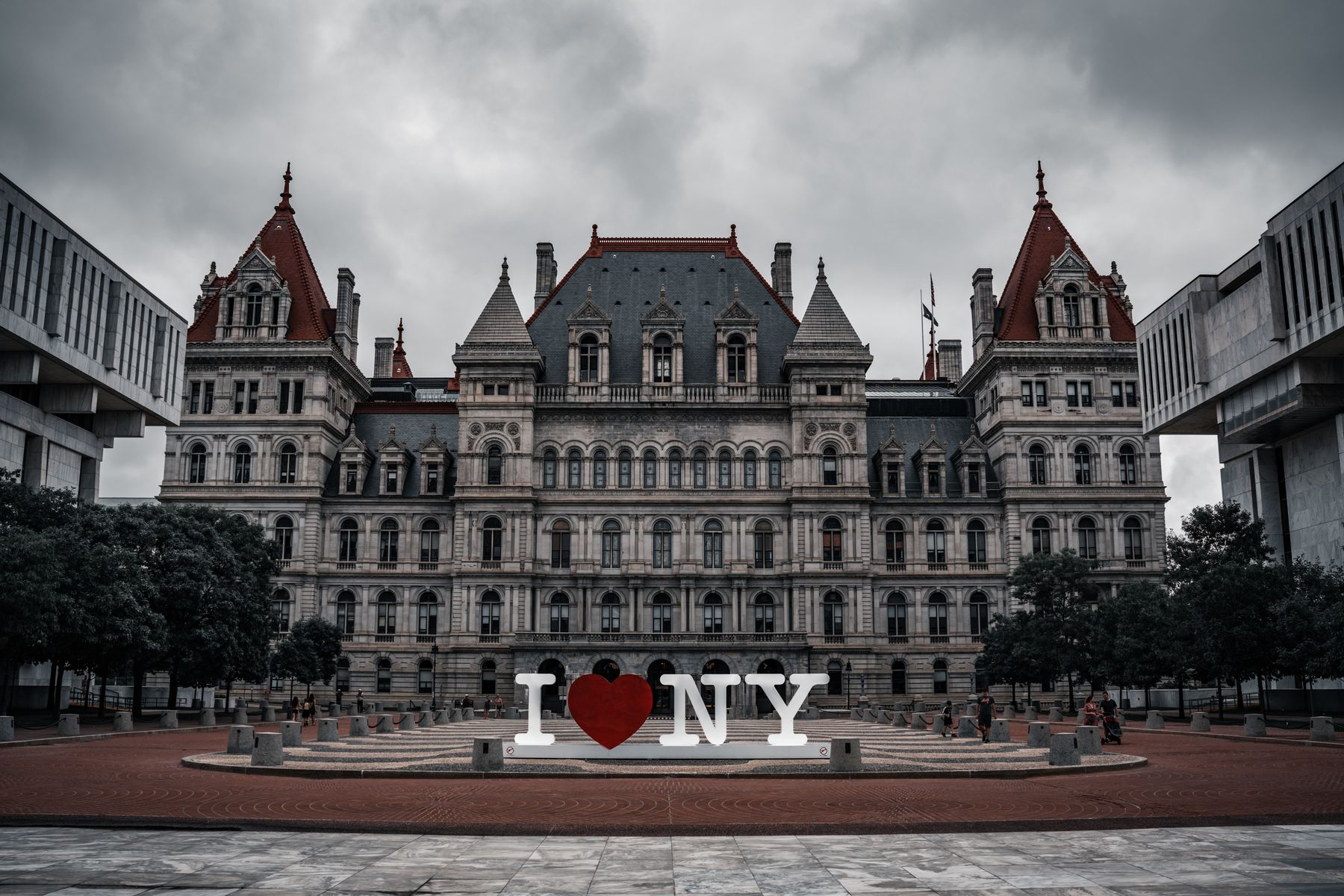
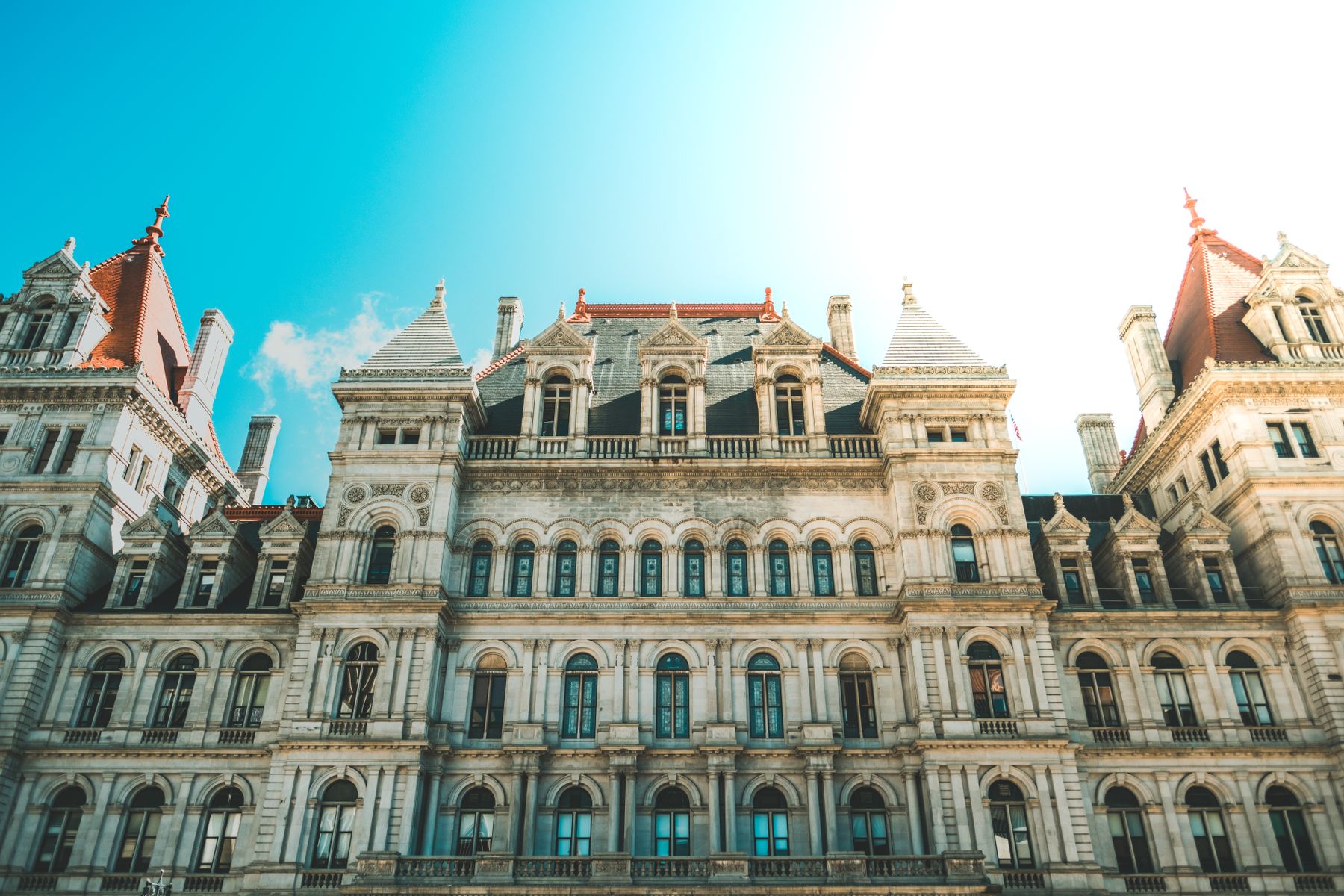 Downtown Albany, New York, with the Empire State Plaza and State Capitol, seen by a first-time visitor
From the Empire State Plaza to the Pine Bush Preserve, here's how to navigate New York's capital region like a seasoned upstater.
Getting Your Bearings in Albany
Albany sits at the crossroads of I-87 and I-90, about 2.5 hours from New York City and 3 hours from Boston. Most visitors arrive by car, but Amtrak's Empire Service drops you at the Rensselaer Rail Station, a 15-minute taxi or bus ride across the Hudson River to downtown. Albany International Airport (ALB) is 15 minutes north of the city, with direct flights from major East Coast hubs. Once downtown, you can walk most of the core, but a car or rideshare is useful for exploring the wider region.
The city's grid is walkable and logical. Washington Avenue runs east-west from the State Capitol to the University at Albany's uptown campus. Central Avenue, running northwest, is the main commercial artery through the Pine Hills neighborhood. The Warehouse District, just south of downtown, has become a hub for breweries and galleries. Parking is easiest in the evening, when street meters stop enforcement, and several garages offer flat rates after 5 p.m.
Where to Stay: Neighborhoods and Booking Tips
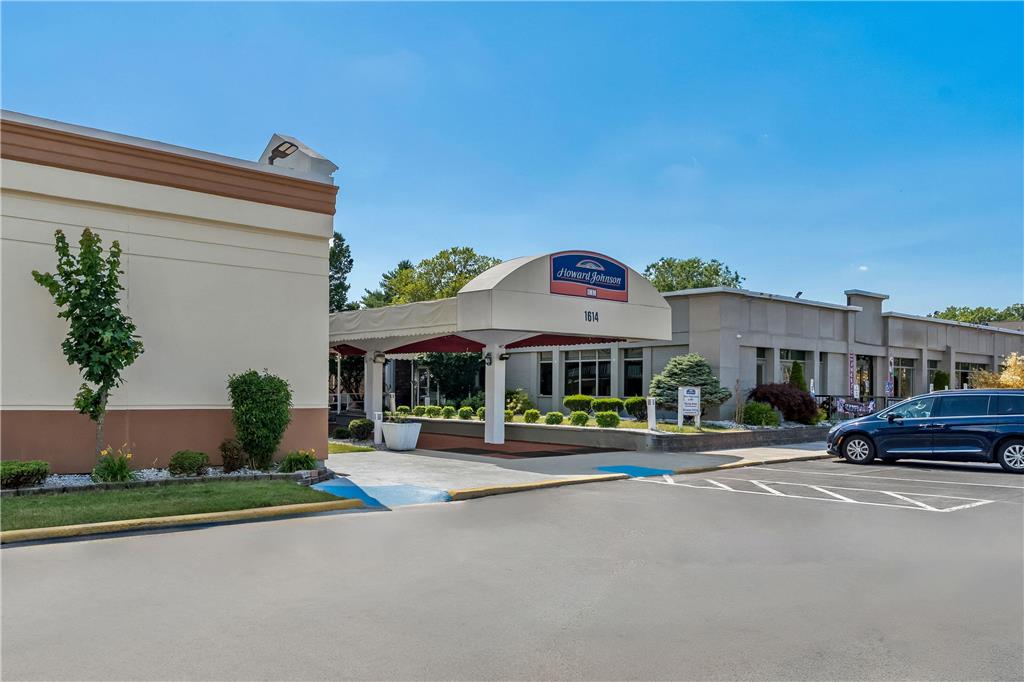
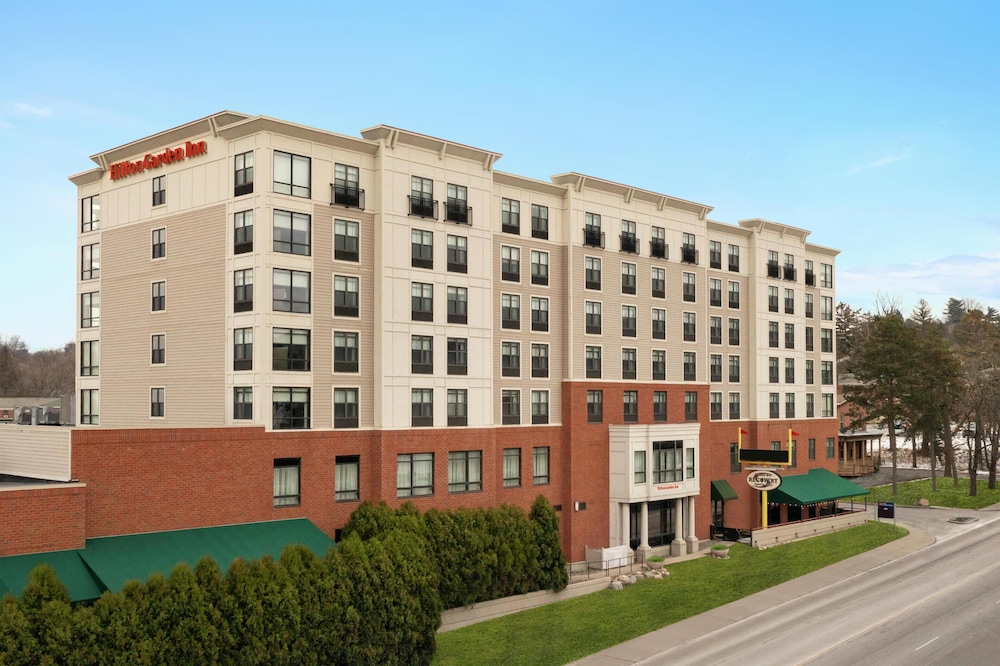
For first-timers, downtown Albany—around State Street and Broadway—puts you within walking distance of the Capitol, the New York State Museum, and the Times Union Center. Expect chain hotels and boutique properties in the $150–$250 range on weekends. The Pine Hills neighborhood offers quieter stays near the university and Washington Park, often at lower rates (think $100–$180), but you'll rely on buses or a car to reach downtown. Across the river, Rensselaer and East Greenbush have budget-friendly motels along Route 4, typically $80–$130, with a 10-minute drive to the city center.
If you're visiting for a specific event—a concert at the MVP Arena, a show at The Egg, or a legislative session—book as early as possible. Downtown hotels fill up fast during the tulip season in May and during graduation weekends in May and December. Many properties offer free cancellation if you book direct, and loyalty programs can knock off $20–$30 per night. Avoid booking a room in the immediate blocks around Central Avenue's western end unless you're comfortable with a noisier, more chaotic street scene; the area around Washington Park is far more pleasant for an evening stroll.
What to See and When to Go
The best months are May, June, September, and October—mild temperatures and fewer crowds than July and August, when humidity can hit 85°F. Spring brings the Albany Tulip Festival in Washington Park (always Mother's Day weekend) and the Albany Institute of History & Art opens its doors for extended hours. Fall colors peak in the Helderberg Escarpment, a 20-minute drive west, and the Pine Bush Preserve offers hiking on its rare inland pine barrens. Winter is quiet but cold (lows around 15°F), with ice skating at the Empire State Plaza rink and cross-country skiing at nearby Thacher Park.
Must-sees include the New York State Capitol (free guided tours on weekdays), the Empire State Plaza's modern art collection, and the USS Slater, a WWII destroyer escort docked on the Hudson. The Albany Institute of History & Art charges around $12 for adults. For a quick bite, head to Lark Street for coffee and brunch, or the Italian-American enclave along Central Avenue for old-school bakeries. Skip the overpriced chain restaurants near the Times Union Center; instead, drive 10 minutes to Delaware Avenue for farm-to-table spots like New World Bistro Bar.
Practical Tips for Booking and Getting Around
Public transit in Albany is run by CDTA. A single ride is $1.50, and a day pass costs $4—handy if you're staying outside downtown. The Northway (I-87) can back up northbound on Friday afternoons, so plan extra time if you're heading to Saratoga or Lake George. Rideshares are plentiful but can surge during events at the MVP Arena. If you're driving, note that many downtown streets are one-way; a GPS is essential.
When booking a hotel, check whether the rate includes parking—downtown garages can add $15–$25 per night. Also confirm the cancellation policy; snowstorms in January and February sometimes cause last-minute changes. For the best selection, book directly through the hotel's website or a trusted regional booking partner; third-party sites sometimes list rooms that are already sold out. Finally, if you're combining Albany with a trip to New York City, consider taking Amtrak from Rensselaer—it's a scenic 2.5-hour ride along the Hudson, and you avoid city traffic and tolls.
Day Trips Worth the Drive
Albany makes a strong base for the wider Capital Region, and the first day trip most visitors take is Saratoga Springs, 35 minutes north up I-87, the Northway. Broadway is a walkable mile of independent shops and restaurants, Congress Park is free, and the Saratoga Race Course runs its thoroughbred meet from mid-July through Labor Day, when downtown rooms triple past $340 a night. Outside racing season, a hotel off Excelsior Avenue drops to $130–$190 midweek. Go in September or October for the walking without the crowds, and drink the spring water in Congress Park; it is genuinely free and the town is named for it.
Closer in, Troy is a 15-minute drive north on I-787 and worth an afternoon for its cast-iron downtown, the Saturday farmers market that runs May through October, and Dinosaur Bar-B-Que at 377 River Street where a rib plate lands around $20. For a full day, Cooperstown and the National Baseball Hall of Fame are about 70 minutes west; adult admission is roughly $30 and the village fills by mid-morning on summer weekends. East on I-90, the Berkshires—Lenox, Tanglewood, and the Norman Rockwell Museum in Stockbridge—are 45 minutes away, best from late May through the October foliage weekends when Route 7 backs up after 3 p.m.
Where to Eat Like a Local
Beyond the Lark Street brunch strip, Albany's dining rewards a short walk or drive. Jack's Oyster House on State Street has been open since 1913 and remains the city's white-tablecloth institution, with mains from $28 to $40 and a martini menu that suits a legislative-season expense account. For Italian, Cafe Capriccio on Grand Street is the long-standing favourite, plates around $22 to $30, and it books out during graduation weekends in May and December, so reserve ahead. Skip the chain restaurants clustered near the Times Union Center on event nights; the wait is long and the food is ordinary.
For something cheaper and more local, El Loco Mexican Cafe on Madison Avenue has anchored the neighbourhood for decades with plates around $16 to $22, and Wolff's Biergarten on Broadway in the Warehouse District pours German beer with sausages under $15 and gets loud on weekends. The Central Avenue corridor holds the old Italian-American bakeries; pick up cannoli or a loaf rather than sitting down. If you are downtown early, the Wednesday farmers market at the Empire State Plaza (May through October) is the cheapest good lunch in the city, with produce and prepared food from Capital Region farms.
Before you book
What people ask before booking Albany.
Downtown is walkable, but a car helps for nearby parks and suburbs. CDTA buses cover most areas; a day pass is $4. If you're staying outside the core, rideshares or a rental car are more convenient.
May, June, September, and October offer mild weather and fewer crowds. The Tulip Festival in May is popular, so book early. Summers are humid; winters are cold with snow and ice.
Albany is about 150 miles north, a 2.5-hour drive via I-87 or a 2.5-hour Amtrak ride from Penn Station to Rensselaer. The train drops you across the river from downtown.
Saratoga Springs is 35 minutes north on I-87 for Broadway and Congress Park. Troy is 15 minutes north for its cast-iron downtown and Saturday market. Cooperstown and the Baseball Hall of Fame are about 70 minutes west, and the Berkshires 45 minutes east on I-90.
A mid-range weekend runs roughly $150 to $250 a night for a downtown hotel, plus $15 to $25 for parking, $4 a day for CDTA buses, and $40 to $70 per person for a sit-down dinner. Museums are cheap: the New York State Museum is free and the Albany Institute is about $12.